News
Europe Redesigning Labor Migration Corridors for Quadruple Win
News desk
NRI Herald • September 1, 2026
3 min read
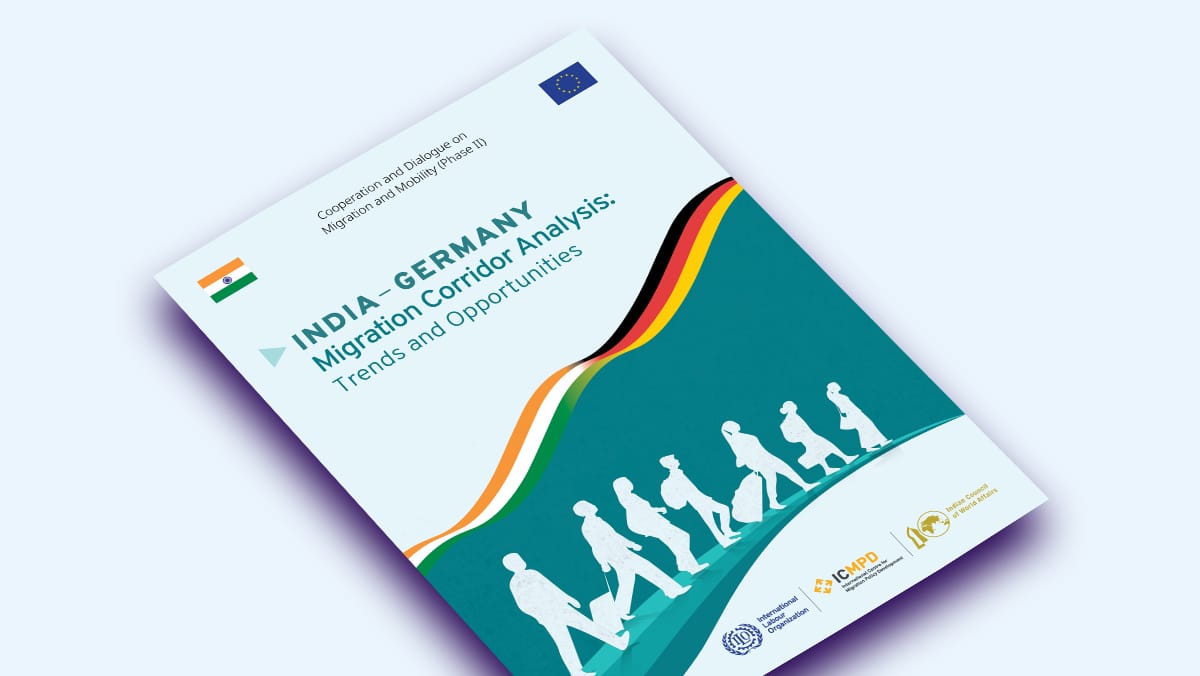
The India-Germany agreement is one example of a broader effort to formalize and expand labor mobility between European nations and countries with young, skilled workforces. Under the model, employers gain access to vetted talent, while migrants receive transparent contracts, fair wages, and pathways to legal residency.
Origin countries benefit from remittances and skills transfer when workers return, and destination countries fill persistent gaps in healthcare, engineering, and information technology. The approach also aims to reduce irregular migration by offering legal alternatives.
European policymakers are now negotiating similar pacts with other nations, focusing on sectors where shortages are most acute. The agreements include provisions for language training, credential recognition, and social security portability to ease integration.
Critics caution that such corridors must be monitored to prevent exploitation and ensure that workers are not merely temporary labor without long-term rights. Proponents argue that the quadruple-win framework, when properly implemented, offers a sustainable answer to demographic decline and labor market mismatches.
Other news coverage

NRI Herald • August 30, 2026

NRI Herald • August 31, 2026

NRI Herald • August 31, 2026
NRI Herald • August 29, 2026