Dual Legal Pressures Create Uncertainty for Indian Diaspora
Visa & Immigration desk
NRI Herald • July 13, 2026
3 min read
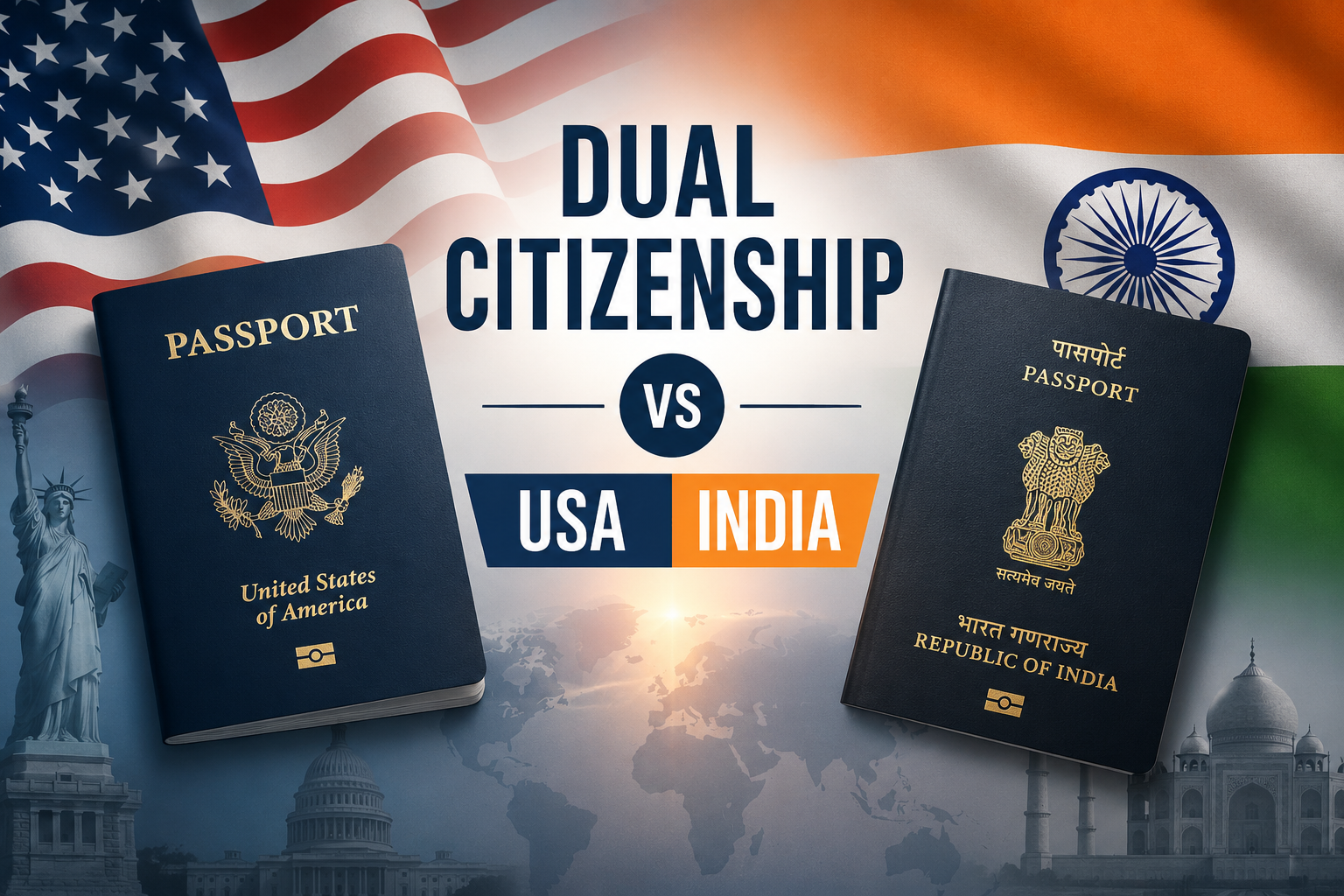
The ambiguity stems from a Partition-era compromise that left citizenship undefined in travel documents, a gap that has grown more consequential as birthright citizenship rules have changed across generations.
For diaspora members, the practical effect is that a passport may not guarantee the legal status they assume, complicating everything from visa applications to property inheritance in India.
Legal experts say the distinction between nationality and citizenship, while historically rooted, now intersects with modern migration patterns, leaving many families to navigate conflicting interpretations.
The uncertainty has prompted some to seek formal citizenship documentation, though the process varies by country of residence and individual circumstances.
As governments tighten citizenship criteria, the diaspora faces a widening gap between the rights they expect and the legal reality they encounter.
Other visa & immigration coverage
NRI Herald • August 28, 2026
NRI Herald • August 24, 2026

NRI Herald • August 28, 2026
NRI Herald • August 24, 2026