US Indo-Pacific Retreat Opens Door for Stronger EU-India Ties
Politics desk
NRI Herald • July 13, 2026
3 min read
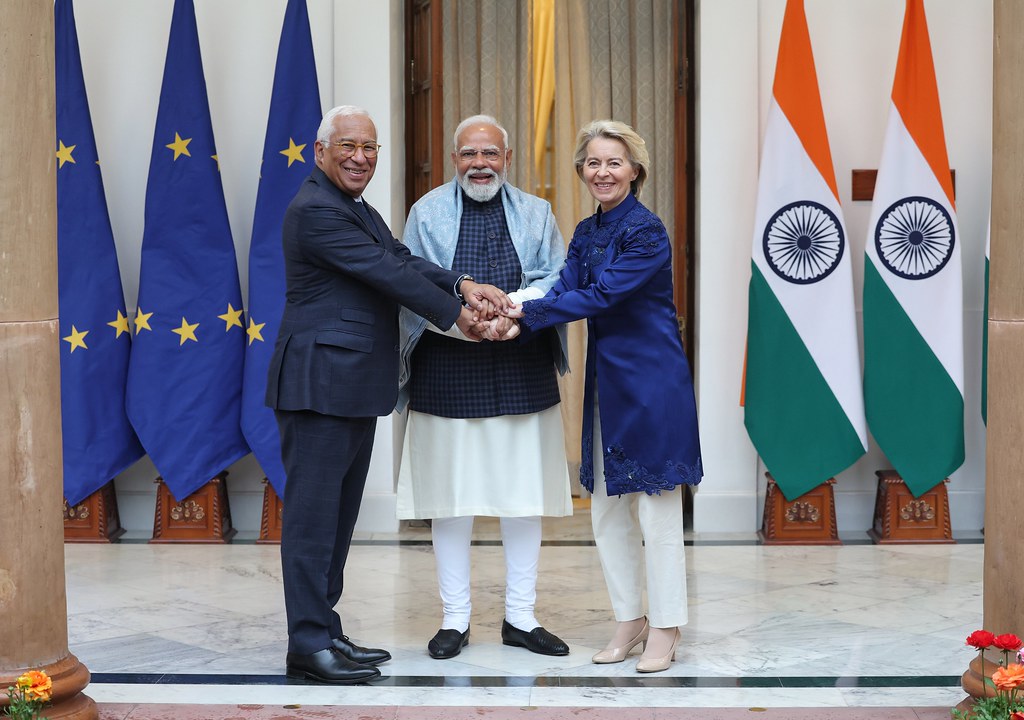
The United States' retreat from its Indo-Pacific strategy, including the sidelining of the Quad, has created a strategic vacuum that the European Union and India are now poised to fill. This development diminishes India's previous role as a central US counterweight to China, prompting both New Delhi and Brussels to consider deepening their renewed strategic partnership.
The shift in US policy, which now prioritizes direct bilateral negotiations with Beijing, has left regional allies reassessing their positions. For India, this means a reduced reliance on the US-led framework that had previously elevated its status in the region. The EU, which has been expanding its own Indo-Pacific engagement, sees an opportunity to strengthen ties with India as a like-minded partner.
Officials from both sides have indicated that the renewed partnership could focus on areas such as trade, technology, and maritime security. The EU's recent strategic documents have highlighted India as a key partner, and India has reciprocated by seeking greater European involvement in regional affairs.
The potential for closer EU-India cooperation comes as both parties navigate a complex geopolitical landscape. While the US remains a significant player, its reduced emphasis on the Indo-Pacific has opened space for other actors to step forward. For the EU and India, this could mean a more prominent role in shaping regional stability and economic integration.
Analysts note that the success of this partnership will depend on translating shared interests into concrete actions. With the US stepping back, the EU and India have a chance to redefine their relationship and contribute to a multipolar order in the Indo-Pacific.
Other politics coverage
NRI Herald • August 20, 2026
NRI Herald • August 20, 2026
NRI Herald • August 18, 2026

NRI Herald • August 8, 2026