US H-1B Visa Overhaul 2026 Raises Costs, Tightens Rules for India, China, Philippines, South Korea
Visa & Immigration desk
NRI Herald • July 12, 2026
3 min read
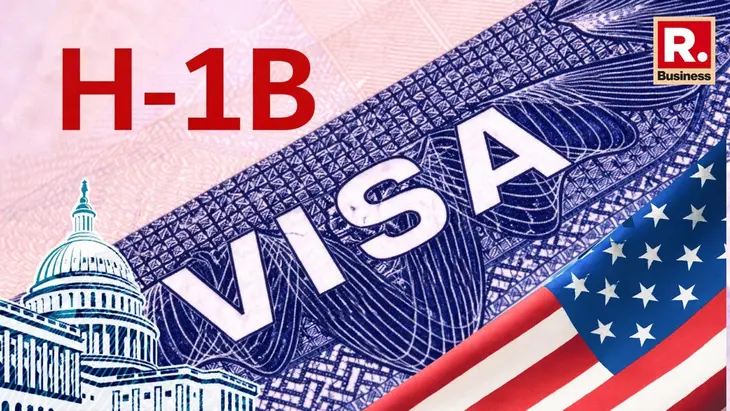
The U.S. Citizenship and Immigration Services (USCIS) finalized the H-1B overhaul in late 2025, with changes taking effect on April 1, 2026. The new regulations increase the base filing fee from $460 to $780, and add a new $500 Fraud Prevention and Detection Fee for each petition. For employers with 50 or more employees, a revised H-1B dependency fee of $4,000 per petition now applies, up from $1,500.
Compliance requirements have also expanded. Employers must now submit detailed wage data and attest to specific recruitment efforts for each position, with penalties for non-compliance reaching up to $25,000 per violation. The Department of Labor has also shortened the public inspection period for Labor Condition Applications from 30 days to 15 days, giving less time for worker organizations to challenge filings.
For applicants from India, China, the Philippines, and South Korea, the impact is acute. These four countries account for nearly 75% of all H-1B approvals, with India alone representing 65%. The higher fees and stricter documentation demands are expected to increase the average total cost of sponsoring an H-1B worker from $5,000 to $9,500, a burden that many small and mid-sized tech firms may not absorb.
Immigration attorneys note that the new rules will likely shift hiring patterns. Larger corporations with dedicated legal teams can manage the added paperwork, but startups and smaller companies may reduce H-1B sponsorship, pushing more skilled workers toward other visa categories like the O-1 or L-1. The USCIS has also announced plans to increase random site visits to 15% of approved petitions, up from 5% previously, to verify compliance.
The changes come amid ongoing debates in Congress about the H-1B program's role in the U.S. economy. While some lawmakers argue the stricter rules protect American workers, tech industry groups warn that higher costs and red tape could drive talent to Canada, the UK, and other countries with more streamlined visa processes. The first batch of petitions under the new rules will be accepted starting April 1, 2026, for the October 2026 fiscal year.
Highlighted words show why each story was matched
NRI Herald • August 28, 2026
NRI Herald • August 24, 2026
NRI Herald • August 20, 2026

NRI Herald • August 28, 2026