News
Diaspora Kailash Trip Disappearance Sparks Travel Safety Concerns
News desk
NRI Herald • August 30, 2026
3 min read
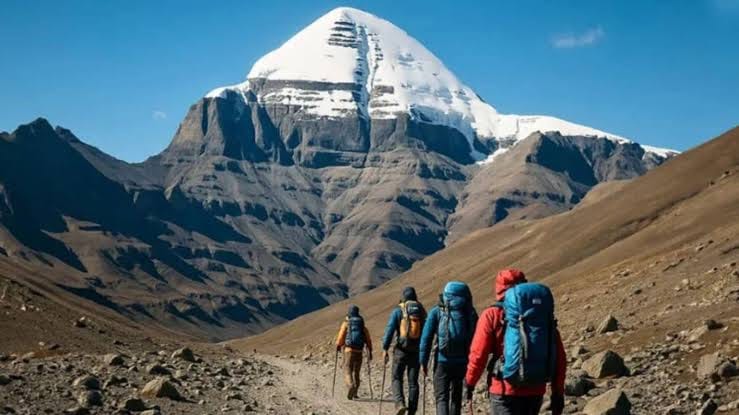
The disaster struck on August 26, 2026, along the Nepal-Tibet border, a remote and high-altitude region where the annual pilgrimage to Mount Kailash draws thousands of devotees from India and the diaspora. The sudden glacial collapse triggered a flash flood that swept through the area, catching many pilgrims off guard and leaving hundreds unaccounted for.
Among the missing are 11 Indian-origin US citizens, part of a larger group led by Delhi-born Anil Goyal. The group was last reported at Ruswa Garhi immigration, a common checkpoint on the route, before communication was lost. Families in the US and India have been pressing authorities for information, but the lack of a coordinated response has compounded their distress.
The incident has exposed gaps in emergency response and accountability for diaspora religious journeys abroad. Unlike organized treks or official tours, many pilgrims travel through informal networks, making it difficult for embassies and local authorities to track their movements or provide timely assistance in a crisis.
In response, diaspora organizations are urging the Indian government and host countries to establish clearer safety protocols for such pilgrimages. Suggestions include mandatory registration with embassies, real-time tracking systems, and better coordination between Nepali, Tibetan, and Indian rescue teams in the event of natural disasters.
The tragedy has also reignited broader concerns about the safety of religious travel in remote regions, where infrastructure is limited and weather conditions can change rapidly. For the Indian-American community, the loss has been deeply personal, with many families now waiting anxiously for news while demanding answers about how such a disaster could have been better managed.
Highlighted words show why each story was matched
NRI Herald • August 29, 2026
NRI Herald • August 30, 2026

NRI Herald • August 29, 2026
NRI Herald • August 26, 2026