News
Gulf Crisis: 9 Million Indians Face Fallout From Saudi-Iran Escalation
News desk
NRI Herald • July 13, 2026
3 min read
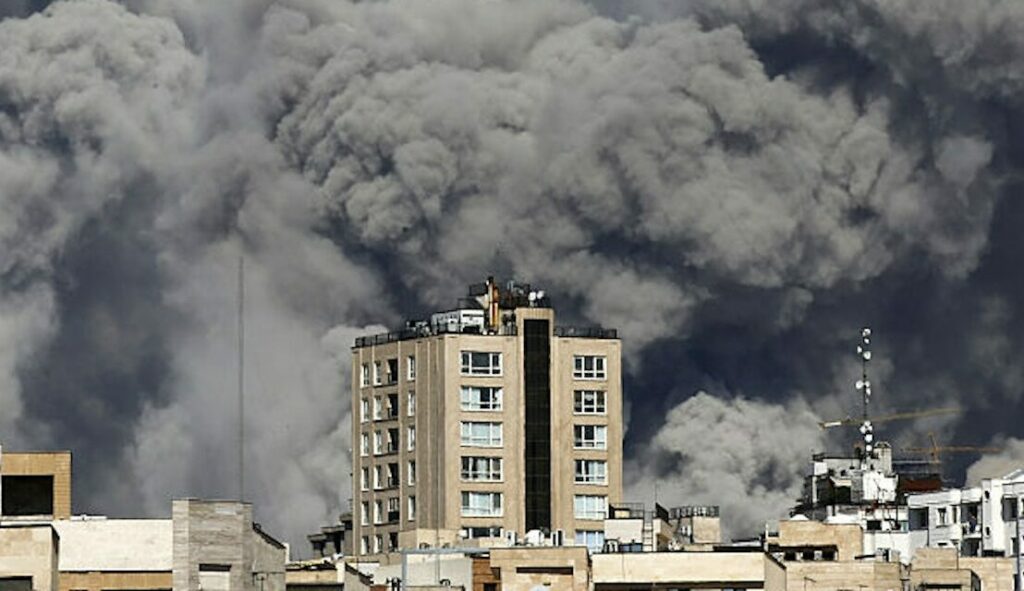
The Saudi-led coalition's airstrike on Sanaa airport and Iran's seizure of a commercial aircraft have intensified concerns among the Indian diaspora, which constitutes the largest expatriate community in the Gulf region. Indian officials have not issued evacuation orders but are monitoring the situation closely, advising nationals to register with embassies and avoid non-essential travel.
The Gulf states host roughly 9 million Indians, with the largest populations in the United Arab Emirates, Saudi Arabia, and Kuwait. These workers form the backbone of the region's construction, healthcare, and domestic service sectors, and their remittances contribute significantly to India's economy.
In response to the rising tensions, Indian missions across the Gulf have activated emergency helplines and are coordinating with local authorities to ensure the safety of Indian nationals. Community leaders in Dubai and Doha have urged calm, while some families have begun contingency planning, including securing documents and identifying evacuation routes.
The airstrike on Sanaa airport, which the coalition says targeted Houthi military infrastructure, and the seizure of an Iranian plane by Saudi forces mark a sharp escalation in the long-running rivalry between Riyadh and Tehran. Analysts warn that further disruptions could affect oil prices and shipping lanes, indirectly impacting the Gulf's economy and, by extension, the employment prospects of Indian workers.
India's foreign ministry has reiterated its commitment to protecting its citizens abroad, but has stopped short of recommending repatriation. The government's approach has been to maintain diplomatic channels with all parties involved, while preparing for possible contingencies if the conflict widens.
Other news coverage
NRI Herald • August 29, 2026
NRI Herald • August 25, 2026
NRI Herald • August 29, 2026

NRI Herald • August 26, 2026