China Lands Reusable Rocket, Cuts Space Mission Costs
Politics desk
NRI Herald • July 10, 2026
3 min read
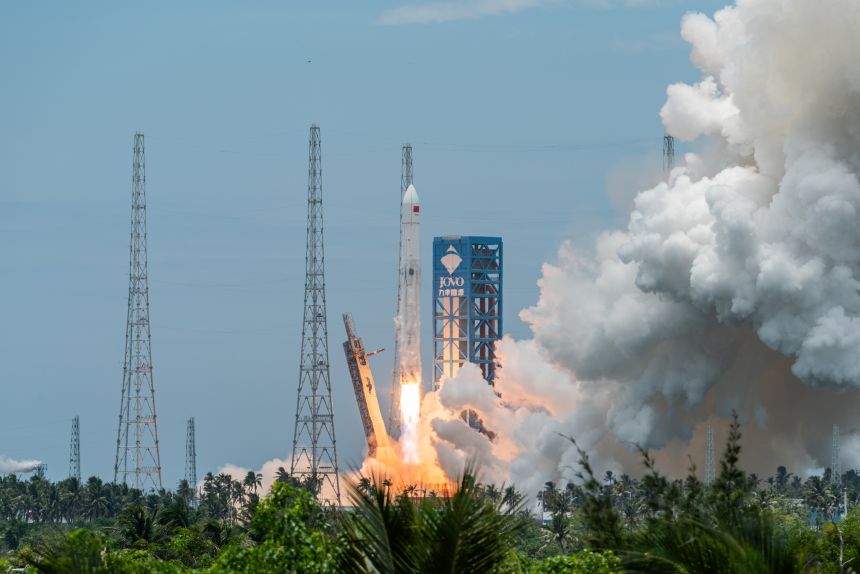
The booster lifted off from a coastal launch site and, after separating from the upper stage, descended vertically to touch down on an unmanned barge in the Yellow Sea. The entire flight lasted about 10 minutes, and the landing was controlled by grid fins and throttling engines.
The Long March 10B is designed to carry astronauts and cargo to China's future space station. Reusing the first stage could reduce launch costs by up to 80 percent, according to the China National Space Administration.
Engineers will now inspect the recovered booster and plan to refly it within the year. The agency also aims to recover the rocket's payload fairing and second stage in future missions.
China's previous recoveries were land-based, but sea platforms offer more flexibility for different launch trajectories. The success places China alongside the United States in the race to make spaceflight more affordable.
Other politics coverage

NRI Herald • August 20, 2026

NRI Herald • August 20, 2026

NRI Herald • August 18, 2026

NRI Herald • August 8, 2026