US Student Visas Plummet for Indian, Chinese Nationals Under New Policy
Visa & Immigration desk
NRI Herald • August 5, 2026
3 min read
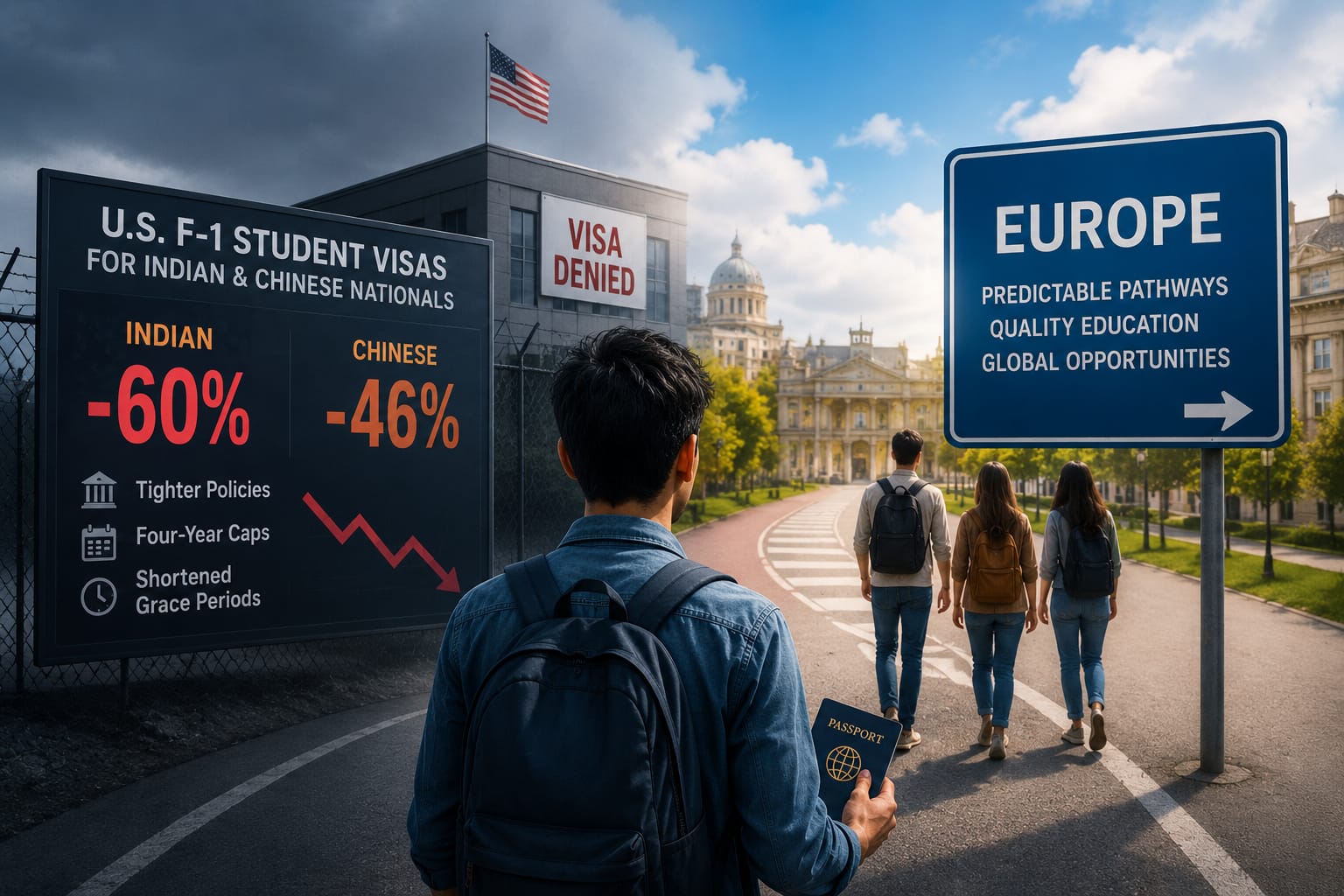
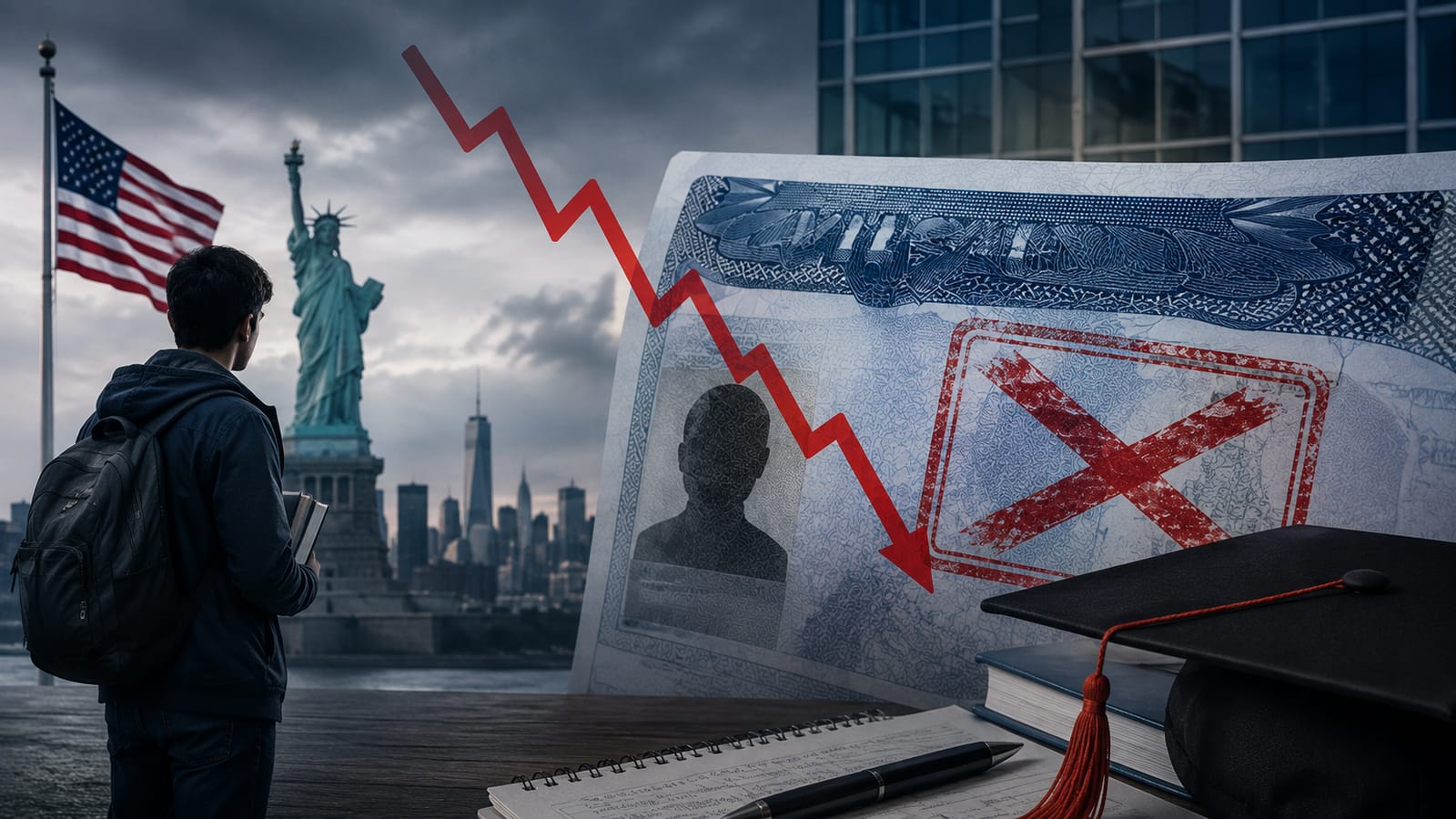
The U.S. State Department data shows F-1 visa issuances to Indian nationals dropped 60% and to Chinese nationals 46% compared with the previous year. The decline follows the introduction of a four-year cap on visa validity and a reduction in the post-graduation grace period from 60 days to 30 days.
The new policies, which took effect earlier this year, also require more rigorous documentation of financial resources and intent to return home. Consular officers now have broader discretion to deny visas to applicants they suspect may overstay, a factor that has disproportionately affected students from the two largest source countries.
In response, many prospective students are shifting their applications to universities in Europe, where visa processes are more predictable and often allow longer post-study work rights. Countries like Germany, France, and the Netherlands have seen increased interest from Indian and Chinese applicants, according to education consultants.
U.S. universities, which rely heavily on international student tuition, are bracing for enrollment shortfalls. Some institutions have begun lobbying for a rollback of the restrictions, arguing that the policy undermines the United States' competitive edge in global higher education.
The long-term impact on the U.S. economy and innovation pipeline remains uncertain, but the immediate trend is clear: the flow of top talent from India and China to American campuses is slowing, with Europe emerging as a primary alternative.
Highlighted words show why each story was matched
NRI Herald • August 6, 2026
NRI Herald • August 24, 2026
NRI Herald • August 24, 2026
NRI Herald • August 24, 2026