US Visa Overhaul: H-1B, Green Cards, Student Visas Impact Indians Most
Visa & Immigration desk
NRI Herald • July 8, 2026
3 min read
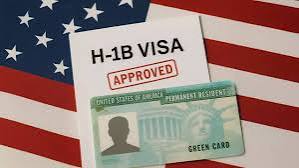
The proposed changes, outlined in a draft bill circulating in Congress, would impose a cap on the number of H-1B visas issued to citizens of any single country, a move that would disproportionately affect India, which accounts for roughly 70 percent of H-1B recipients. The bill also seeks to raise the minimum wage for H-1B workers, potentially pricing out many Indian tech professionals.
For green cards, the reforms would eliminate the per-country cap, but introduce a points-based system favoring applicants with advanced degrees, English proficiency, and job offers in high-demand fields. While this could help some Indian applicants, it would also reduce the number of family-based visas, which many Indians rely on to reunite with relatives.
F-1 student visa holders would see their Optional Practical Training (OPT) period cut from three years to one for STEM graduates, limiting their ability to gain work experience in the U.S. after graduation. The bill also proposes stricter rules for changing status from student to work visa, requiring a waiting period of two years before applying for an H-1B.
The reforms are part of a broader immigration overhaul aimed at prioritizing merit-based admissions, but critics argue they would hurt U.S. competitiveness by driving skilled workers to other countries. The bill has not yet been scheduled for a vote, and its prospects remain uncertain in a divided Congress.
Indian advocacy groups have begun lobbying against the measures, urging lawmakers to consider the economic and cultural contributions of Indian immigrants. The Indian government has also raised concerns, with officials saying they are monitoring the legislative process closely.
Highlighted words show why each story was matched
NRI Herald • August 24, 2026
NRI Herald • August 28, 2026
NRI Herald • August 28, 2026
NRI Herald • August 24, 2026