H-1B Visa Changes: Tech Companies Prepare for New Rules
Visa & Immigration desk
NRI Herald • July 12, 2026
3 min read
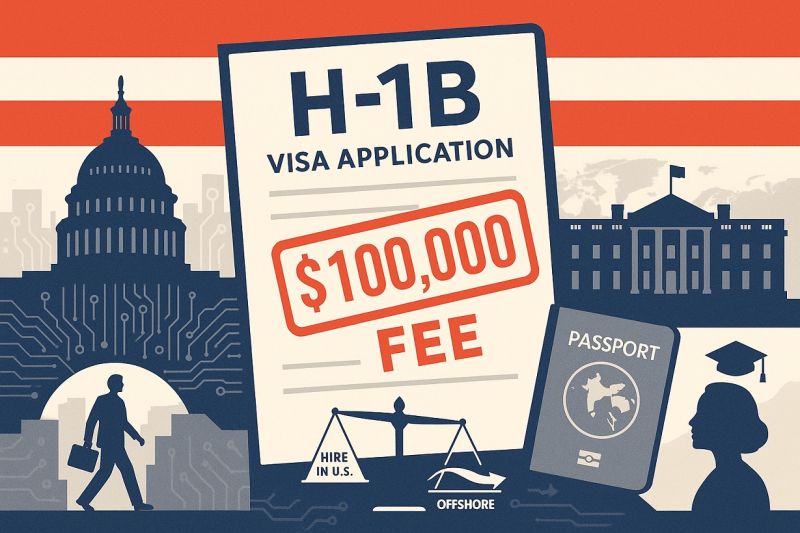
The new rules, announced by the Department of Homeland Security, take effect in April. They replace the current random lottery with a system that prioritizes applicants with the highest offered salaries, and impose a $100,000 fee on employers filing new H-1B petitions.
Companies like Google, Microsoft, and Amazon are already adjusting their recruitment strategies. Some are shifting entry-level roles to overseas offices, while others are reclassifying positions to meet the higher salary thresholds required for lottery preference.
The fee, which applies to petitions for new employees, is expected to cost large tech firms tens of millions of dollars annually. Smaller startups, which often rely on H-1B workers, may face the steepest burden, potentially deterring them from sponsoring visas altogether.
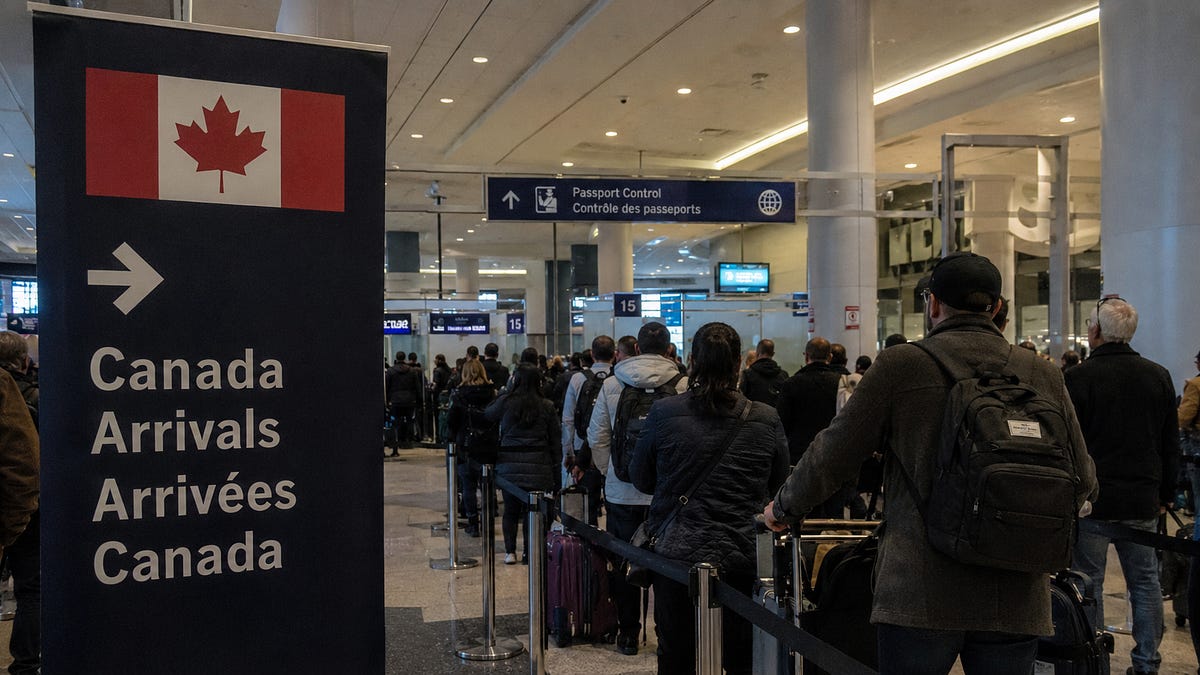
Immigration attorneys say the changes could reshape the U.S. tech workforce, pushing more hiring to Canada and India. They also note that the salary-based lottery may disadvantage recent graduates and workers in lower-paying regions, even as it aims to raise overall wage levels.
The administration argues the rules will protect American workers and ensure H-1B visas go to the most skilled applicants. Critics counter that the fee and salary criteria will reduce innovation and make it harder for U.S. companies to compete globally for talent.
Highlighted words show why each story was matched
NRI Herald • August 24, 2026

NRI Herald • August 28, 2026
NRI Herald • August 28, 2026
NRI Herald • August 24, 2026