US H-1B Visa Fraud Probe Targets Indian Workers And IT Firms
Visa & Immigration desk
NRI Herald • July 8, 2026
3 min read
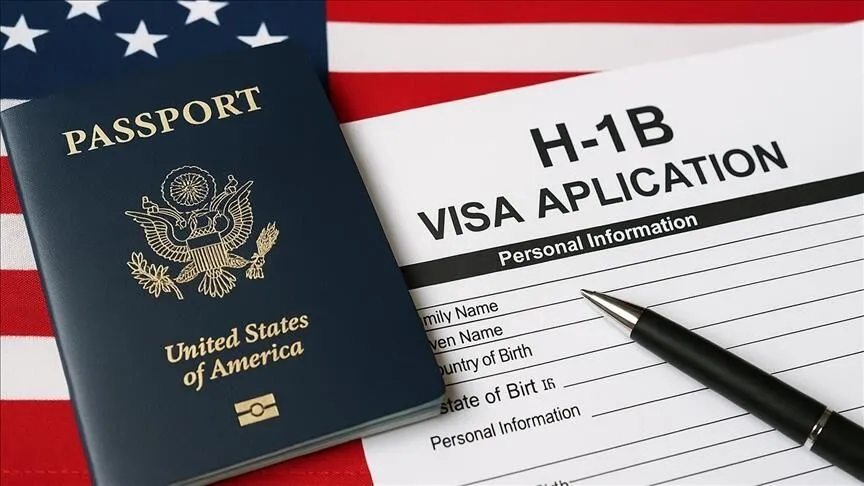
The investigation, launched under the Trump administration, is examining whether companies like Cognizant misused the H-1B program by filing petitions for workers who were not assigned to specific projects, a practice known as 'bench' staffing. This model allows firms to keep a pool of skilled workers on standby, billing clients only when they are placed, but authorities allege it violates visa rules that require employers to pay wages and maintain employer-employee relationships.
If the probe results in charges or visa revocations, an estimated 300,000 Indian nationals working in the U.S. on H-1B visas could face legal jeopardy. Many of these workers are employed by major IT services firms that rely heavily on the program to staff projects at American corporations.
Cognizant, one of the largest H-1B sponsors, has disclosed in regulatory filings that it is cooperating with the investigation and has received subpoenas from federal prosecutors. The company has denied wrongdoing, stating that its practices comply with all applicable laws and regulations.
The crackdown has sent ripples through the Indian IT industry, which depends on H-1B visas to deploy talent to U.S. clients. Industry groups have warned that aggressive enforcement could disrupt operations and force companies to shift work offshore or hire more American workers, potentially raising costs for U.S. businesses.
Legal experts say the outcome of the investigation could reshape how IT firms structure their staffing and could lead to stricter compliance requirements for all H-1B employers. For the affected workers, the uncertainty has created anxiety, as many have built careers and families in the U.S. and now face an uncertain future.
Highlighted words show why each story was matched
NRI Herald • August 28, 2026
NRI Herald • August 28, 2026
NRI Herald • August 10, 2026
NRI Herald • August 24, 2026