Bringing Your Parents to the US: The B-2 Visitor Visa, Explained
NRI Guide desk
NRI Herald • July 12, 2026
3 min read

One of the first things many Indians settled in the US want to do is bring their parents over to visit. The route is the B-2 visitor visa, and while the process is straightforward, the interview turns on one thing: convincing the officer your parents will return home. Here is how it works.
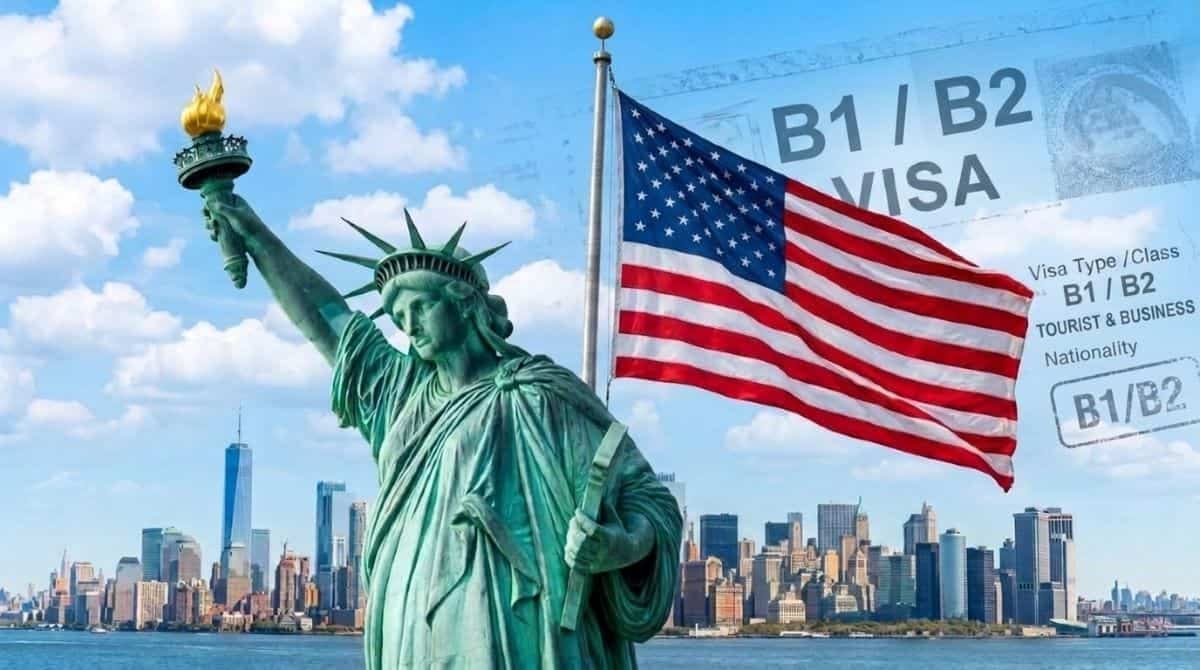
B-2 is the visitor visa for tourism, visiting family, and medical treatment; B-1 is its business counterpart, and the two are often issued together as a B-1/B-2. It does not allow working, studying, or settling permanently in the US.
Your parents apply themselves, from India, at a US consulate. The core steps are:
A consular officer decides whether your parents have nonimmigrant intent, meaning they intend to visit and return, not to stay. Ties to India carry the most weight. Advise your parents to answer honestly and briefly and to carry their documents neatly organised.
Indian visitors often receive a 10-year, multiple-entry visa, but that is permission to travel, not to stay for ten years. At the US airport, a Customs and Border Protection officer decides how long they may stay on each visit, usually up to six months.
If they need more time, file Form I-539 to extend the stay before the authorised period ends; approval is not guaranteed. Repeated back-to-back long stays can draw questions at the next entry, because a visitor visa is not meant for near-permanent living.
US medical care is very expensive, and visitors cannot use public benefits. Buy visitor health insurance for the trip; a single emergency without cover can cost a fortune.
The B-2 is the normal, well-trodden way to bring parents to visit. Honest paperwork and clear ties to India are what get it approved. Confirm the current process, fees and appointment waits at travel.state.gov and on the US consulate's site before applying.
Highlighted words show why each story was matched
NRI Herald • August 17, 2026
NRI Herald • August 21, 2026
NRI Herald • August 18, 2026