Trump Airport Immigration Crackdown Detains Visa Overstays
Visa & Immigration desk
NRI Herald • July 29, 2026
3 min read
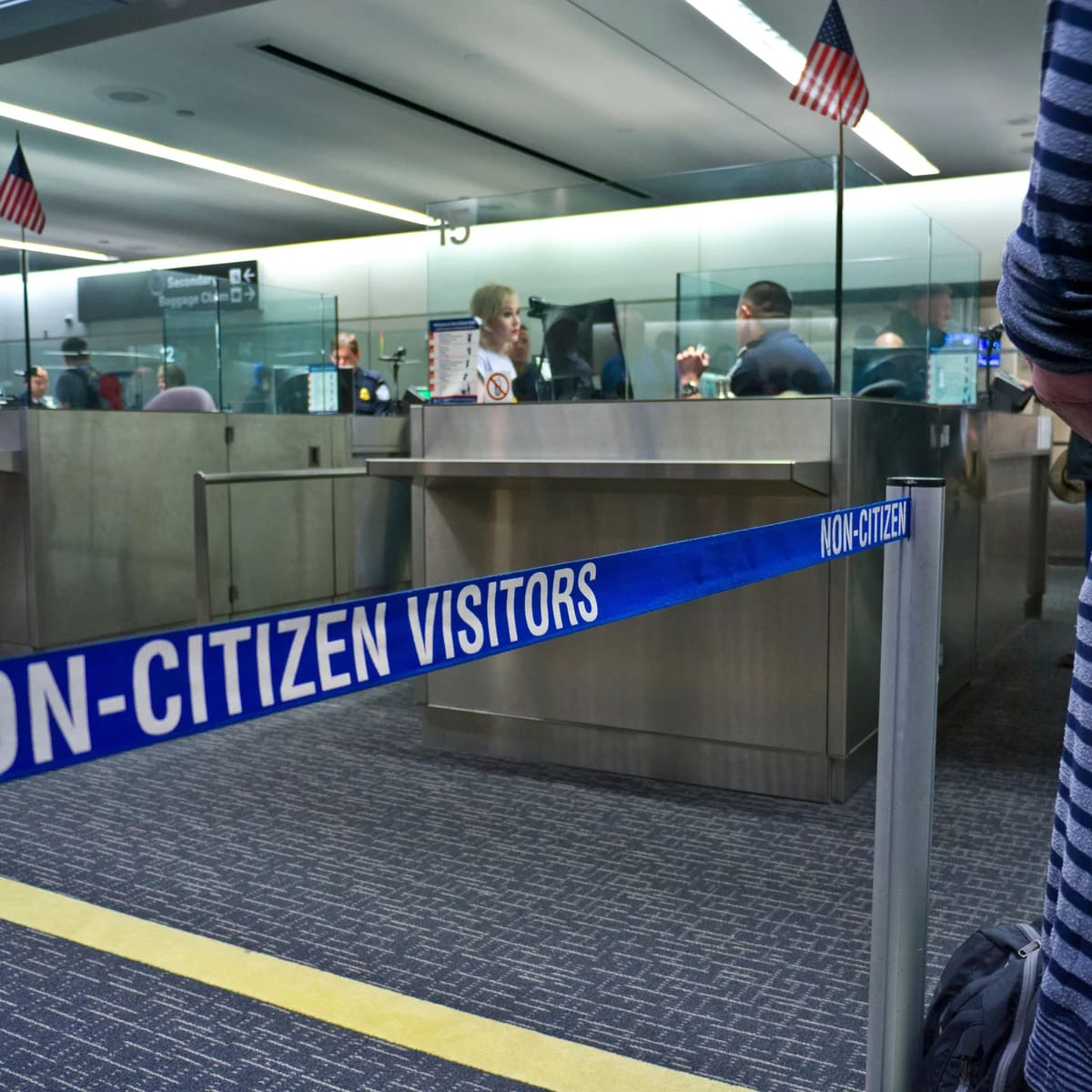
The Trump administration has broadened airport immigration enforcement by deepening cooperation between the Transportation Security Administration and U.S. Immigration and Customs Enforcement. The initiative now focuses on travelers with expired visas who are flying within the United States, a departure from previous practice where domestic air travel was not typically used to enforce immigration laws.
Under the expanded program, TSA officers screen passengers against immigration databases during routine security checks. When a match is found for an individual with an overstayed visa, ICE agents are alerted and can detain the person at the airport. This marks a significant change in how the government uses airport security infrastructure to enforce civil immigration violations.
The policy shift has raised concerns among immigration advocates, who argue it may deter noncitizens from traveling domestically for work, family, or legal obligations. Some legal experts also question whether the enforcement goes beyond the TSA's traditional security mandate, which focuses on threats to aviation rather than immigration status.
Administration officials have defended the move as a necessary step to uphold immigration laws and reduce the number of visa overstays, which they say undermines the integrity of the legal immigration system. The initiative is part of a broader effort to increase interior enforcement and has been rolled out at airports across the country.
The long-term impact on travel patterns and immigration compliance remains to be seen, but the program signals a more aggressive federal posture toward visa overstays, even for those not attempting to cross an international border.
Highlighted words show why each story was matched
NRI Herald • August 14, 2026
NRI Herald • August 24, 2026

NRI Herald • August 28, 2026
NRI Herald • August 28, 2026