5 Major U.S. Immigration Changes Impacting Visa Holders in 2026
Visa & Immigration desk
NRI Herald • August 14, 2026
3 min read
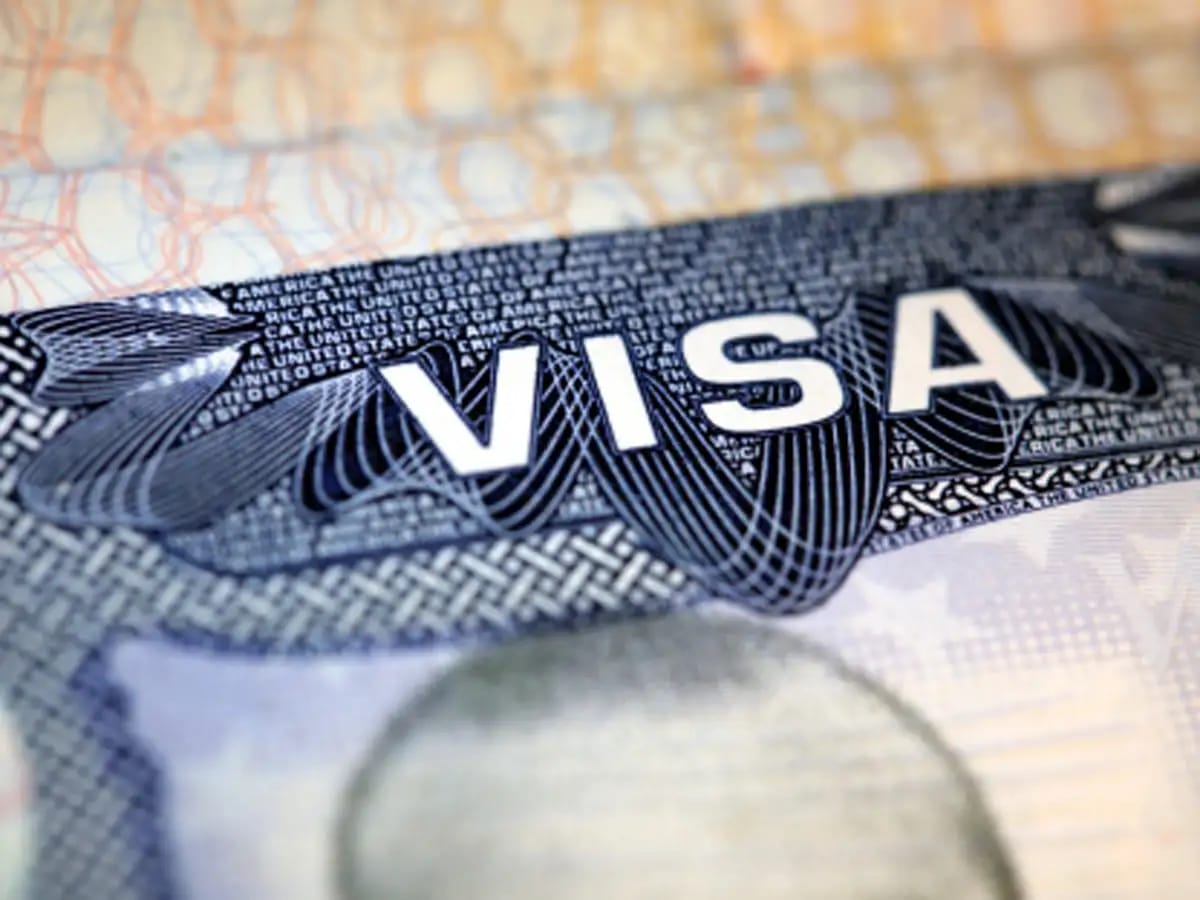
The changes, introduced through a series of executive orders and agency rules, take effect in phases throughout the year. Travel bans now cover citizens of 12 additional countries, with exemptions for certain work visa categories. The State Department has also suspended immigrant visa processing for nationals of eight nations, citing security and documentation concerns.
Social media vetting now applies to all nonimmigrant visa applicants, requiring them to list platforms and handles for the past five years. Consular officers will use this information to screen for potential ties to extremist groups or fraudulent activity. Applicants who fail to provide complete details face automatic denial under the new rules.
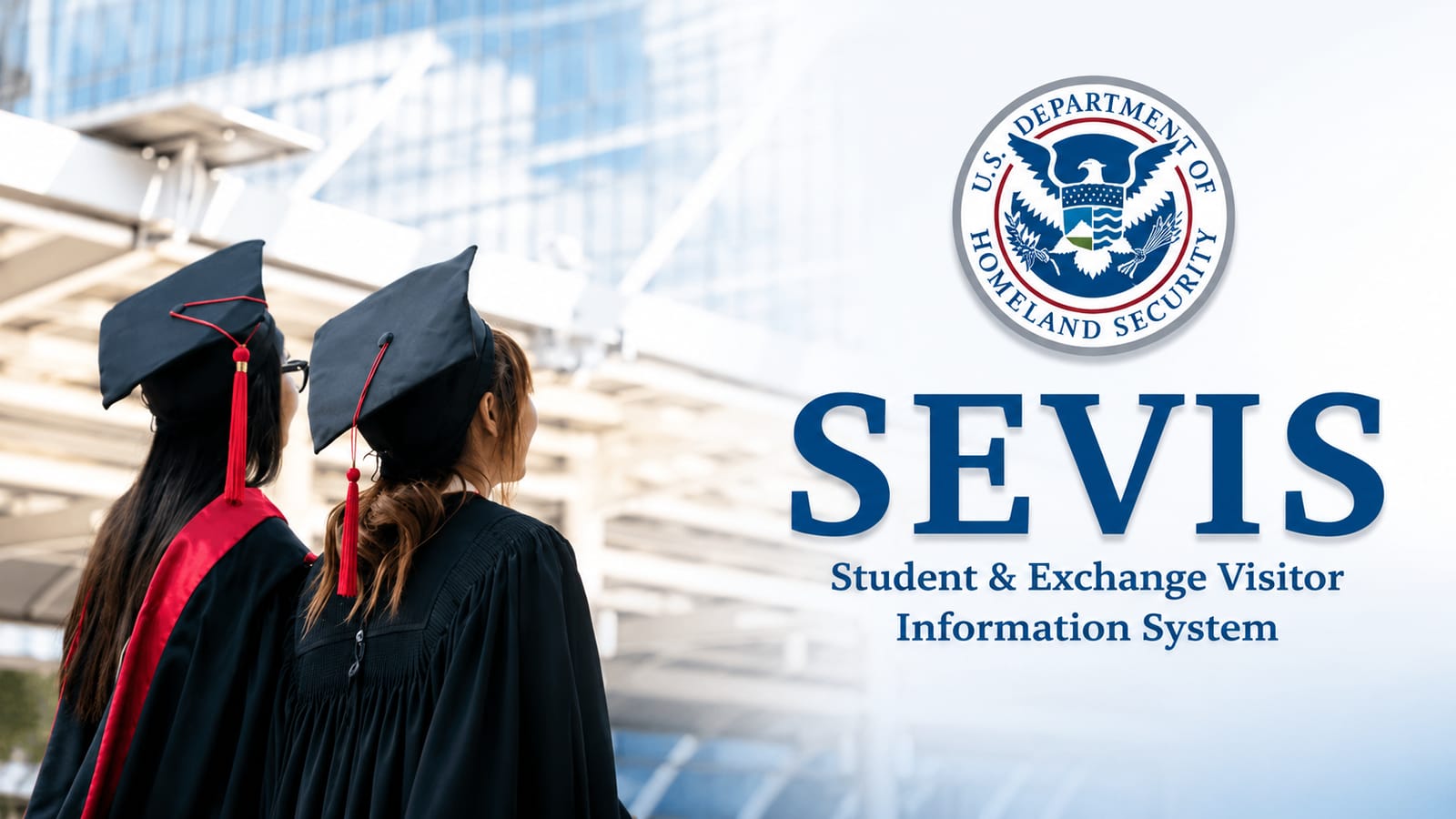
The Department of Homeland Security has eliminated open-ended student statuses, replacing them with fixed durations tied to enrollment. International students must now obtain a new visa if they change degree levels or transfer schools, a process that previously allowed continuous stay. This change has prompted universities to revise their international student advising protocols.
Public charge rules now require visa holders seeking extensions or green cards to demonstrate income at 250 percent of the federal poverty line and liquid assets covering five years of living expenses. The rule applies retroactively to pending applications, causing many applicants to resubmit with additional financial documentation.
Legal experts advise visa holders to review their statuses and documentation well before any travel or filing deadline. The new policies carry no grace period, and violations can lead to immediate revocation of status or re-entry bars. Advocacy groups have filed lawsuits challenging several provisions, but no court has issued a stay as of this writing.
Highlighted words show why each story was matched
NRI Herald • August 24, 2026

NRI Herald • August 31, 2026
NRI Herald • August 14, 2026
NRI Herald • August 13, 2026