The Indian diaspora welcomed a Supreme Court ruling that struck down a Trump-era order ending birthright citizenship, restoring policy certainty for those on visas. The decision ensures that children born in the United States to non-citizen parents automatically receive citizenship, a protection many Indian families rely on.
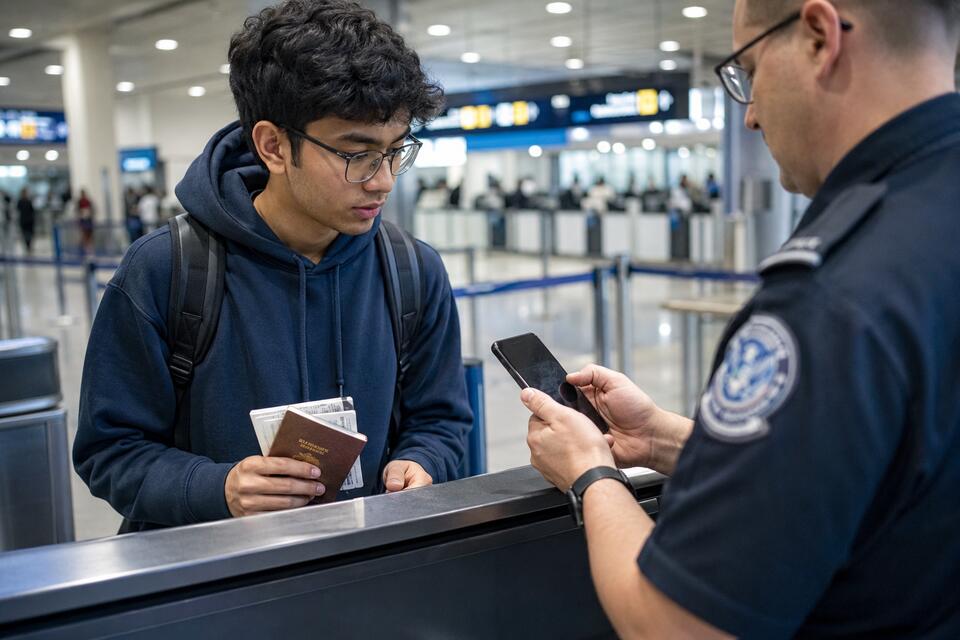
However, unverified reports of an Indian student denied re-entry after a U.S. Customs and Border Protection officer inspected his phone and found a WhatsApp group have sparked fresh anxiety. The incident, if confirmed, highlights the broad authority CBP officers hold at ports of entry, even for travelers with valid visas.
The contrast between the two developments reveals a dual reality: constitutional protections for birthright citizenship remain firm, while digital inspections at borders create practical uncertainties for F-1 students. Officers can examine electronic devices without a warrant, and refusal to comply can lead to denial of entry.
Travelers are advised to prepare documentation and review device content before crossing the border, as officers may scrutinize social media and messaging apps. The situation underscores that while legal victories offer relief, border risks persist for Indian students navigating U.S. immigration policies.
'%2F%3E%3Cstop%20offset%3D'1'%20stop-color%3D'hsl(229%2C%2055%25%2C%2038%25)'%2F%3E%3C%2FlinearGradient%3E%3C%2Fdefs%3E%3Crect%20width%3D'800'%20height%3D'600'%20fill%3D'url(%23g)'%2F%3E%3Ctext%20x%3D'400'%20y%3D'300'%20text-anchor%3D'middle'%20font-family%3D'Georgia%2Cserif'%20font-size%3D'44'%20font-weight%3D'700'%20fill%3D'rgba(255%2C255%2C255%2C0.92)'%3ENRI%20Herald%3C%2Ftext%3E%3Ctext%20x%3D'400'%20y%3D'340'%20text-anchor%3D'middle'%20font-family%3D'Arial%2Csans-serif'%20font-size%3D'18'%20letter-spacing%3D'4'%20fill%3D'rgba(255%2C255%2C255%2C0.66)'%3EVISA%20%26amp%3B%20IMMIGRATION%3C%2Ftext%3E%3C%2Fsvg%3E)
'%2F%3E%3Cstop%20offset%3D'1'%20stop-color%3D'hsl(190%2C%2055%25%2C%2038%25)'%2F%3E%3C%2FlinearGradient%3E%3C%2Fdefs%3E%3Crect%20width%3D'800'%20height%3D'600'%20fill%3D'url(%23g)'%2F%3E%3Ctext%20x%3D'400'%20y%3D'300'%20text-anchor%3D'middle'%20font-family%3D'Georgia%2Cserif'%20font-size%3D'44'%20font-weight%3D'700'%20fill%3D'rgba(255%2C255%2C255%2C0.92)'%3ENRI%20Herald%3C%2Ftext%3E%3Ctext%20x%3D'400'%20y%3D'340'%20text-anchor%3D'middle'%20font-family%3D'Arial%2Csans-serif'%20font-size%3D'18'%20letter-spacing%3D'4'%20fill%3D'rgba(255%2C255%2C255%2C0.66)'%3EVISA%20%26amp%3B%20IMMIGRATION%3C%2Ftext%3E%3C%2Fsvg%3E)