What if Birthright Citizenship Had Been Ended?
Trump's order would have denied citizenship to prominent Indian Americans, highlighting stakes of Supreme Court ruling.
Visa & Immigration desk
NRI Herald • July 4, 2026
3 min read
Trump's order would have denied citizenship to prominent Indian Americans, highlighting stakes of Supreme Court ruling.

If former President Donald Trump's executive order ending birthright citizenship had taken effect, prominent figures including Senator Marco Rubio, born to Cuban migrants, and Indian Americans Kash Patel, Nikki Haley, and Usha Vance would have faced citizenship limbo. The order, which was blocked by courts and never implemented, sought to deny automatic citizenship to children born in the United States to noncitizen parents.
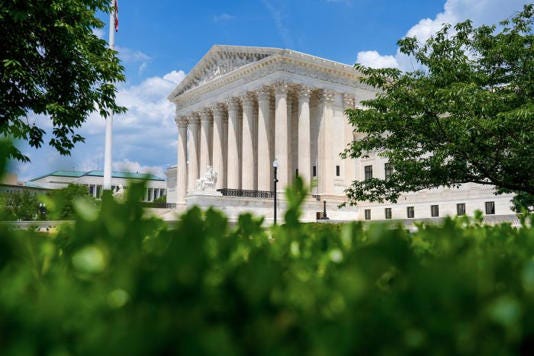
The near-miss for these individuals underscores the significance of a recent Supreme Court decision that upheld birthright citizenship under the 14th Amendment. For Indian diaspora communities, the ruling ensures that children born in the U.S. to Indian nationals on work visas or other nonimmigrant statuses will continue to receive automatic citizenship.
The Supreme Court's win solidifies a principle that has been in place since 1868, preventing a scenario where families could be split by citizenship status. Legal experts noted that the order would have created a two-tier system among children born in the U.S., depending on their parents' immigration status.
The case drew widespread attention from diaspora groups, who argued that ending birthright citizenship would disproportionately affect communities with high numbers of temporary visa holders, including Indians. The court's decision provides clarity for families planning their futures in the United States.
Highlighted words show why each story was matched
NRI Herald • July 2, 2026
'%2F%3E%3Cstop%20offset%3D'1'%20stop-color%3D'hsl(190%2C%2055%25%2C%2038%25)'%2F%3E%3C%2FlinearGradient%3E%3C%2Fdefs%3E%3Crect%20width%3D'800'%20height%3D'600'%20fill%3D'url(%23g)'%2F%3E%3Ctext%20x%3D'400'%20y%3D'300'%20text-anchor%3D'middle'%20font-family%3D'Georgia%2Cserif'%20font-size%3D'44'%20font-weight%3D'700'%20fill%3D'rgba(255%2C255%2C255%2C0.92)'%3ENRI%20Herald%3C%2Ftext%3E%3Ctext%20x%3D'400'%20y%3D'340'%20text-anchor%3D'middle'%20font-family%3D'Arial%2Csans-serif'%20font-size%3D'18'%20letter-spacing%3D'4'%20fill%3D'rgba(255%2C255%2C255%2C0.66)'%3EVISA%20%26amp%3B%20IMMIGRATION%3C%2Ftext%3E%3C%2Fsvg%3E)
NRI Herald • July 3, 2026
'%2F%3E%3Cstop%20offset%3D'1'%20stop-color%3D'hsl(229%2C%2055%25%2C%2038%25)'%2F%3E%3C%2FlinearGradient%3E%3C%2Fdefs%3E%3Crect%20width%3D'800'%20height%3D'600'%20fill%3D'url(%23g)'%2F%3E%3Ctext%20x%3D'400'%20y%3D'300'%20text-anchor%3D'middle'%20font-family%3D'Georgia%2Cserif'%20font-size%3D'44'%20font-weight%3D'700'%20fill%3D'rgba(255%2C255%2C255%2C0.92)'%3ENRI%20Herald%3C%2Ftext%3E%3Ctext%20x%3D'400'%20y%3D'340'%20text-anchor%3D'middle'%20font-family%3D'Arial%2Csans-serif'%20font-size%3D'18'%20letter-spacing%3D'4'%20fill%3D'rgba(255%2C255%2C255%2C0.66)'%3EVISA%20%26amp%3B%20IMMIGRATION%3C%2Ftext%3E%3C%2Fsvg%3E)
NRI Herald • July 2, 2026
NRI Herald • July 3, 2026