Tightening U.S. Visa Rules and Slashing of Corporate Sponsorship Hits Indian Students Hard
Visa & Immigration desk
NRI Herald • July 10, 2026
3 min read
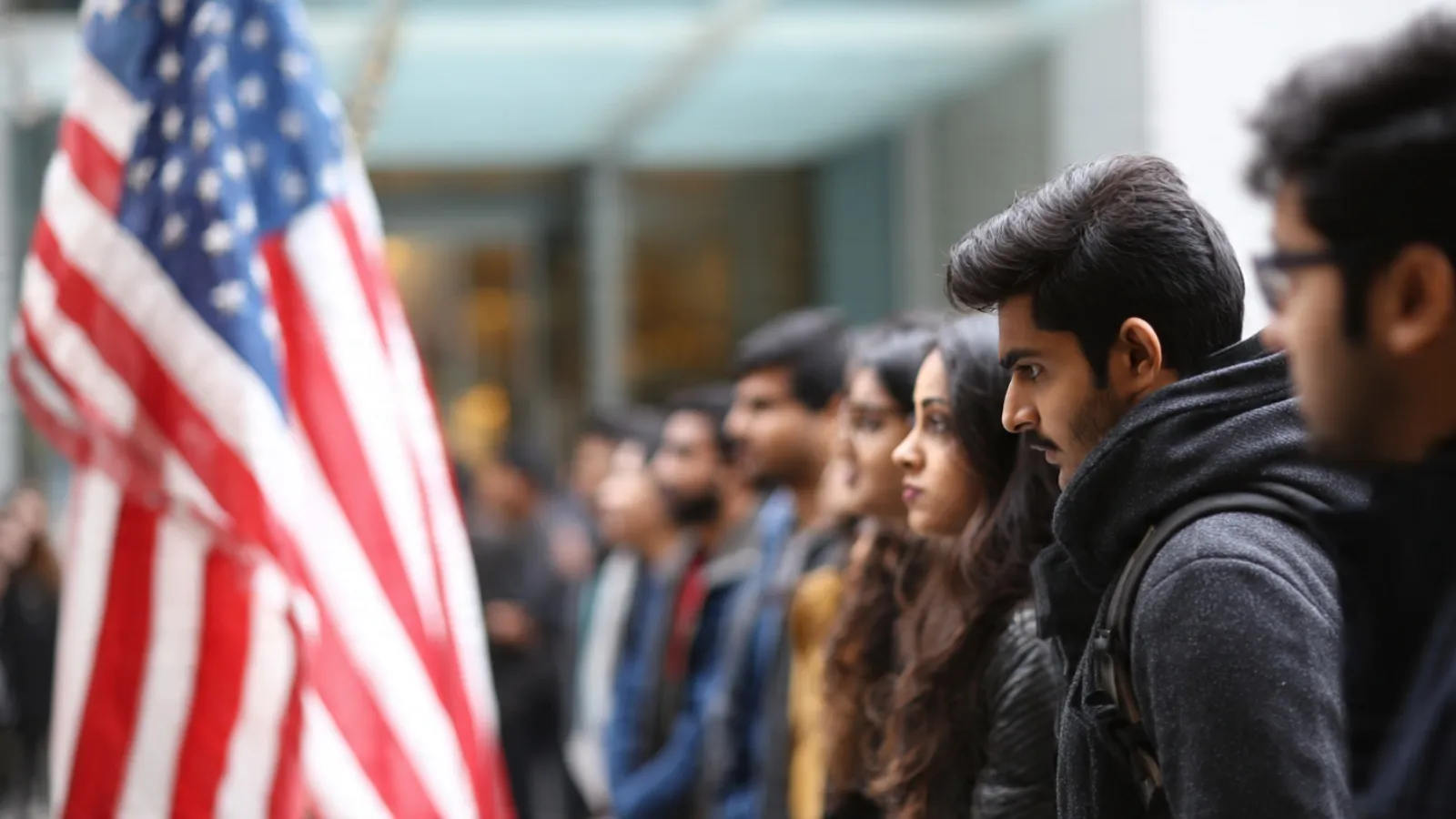
The decline in corporate willingness to sponsor H-1B visas is reshaping the job market for Indian students graduating from American business schools. Walmart, one of the largest private employers in the United States, has paused offering office roles to candidates who require visa sponsorship, a move that reflects a broader pullback among major corporations.
The shift is stark: in 2022, 55% of U.S. companies were open to hiring foreign business school graduates. That figure has now fallen to 29%, according to a survey cited by the Financial Express. The drop is forcing many Indian students to reconsider their career strategies even before they complete their degrees.
For Indian students, who make up the largest group of international students in U.S. business schools, the tightening market adds another layer of uncertainty. Many had counted on a post-graduation job to transition from an F-1 student visa to an H-1B work visa, a path that is now narrowing.
The trend is not limited to Walmart. Across sectors, employers are becoming more cautious about the costs and legal hurdles of sponsoring foreign workers, particularly in roles that are not considered critical or highly specialized. This has led to a more competitive environment for international graduates, who must now compete for a smaller pool of sponsorship-eligible positions.
For Indian students, the impact is immediate. Those who cannot secure sponsorship may be forced to return home or seek alternative visa pathways, such as the Optional Practical Training program, which allows temporary work but does not guarantee long-term residency. The long-term consequences for the U.S. economy, which has historically benefited from the talent and innovation of international graduates, remain to be seen.
Highlighted words show why each story was matched
NRI Herald • August 28, 2026
NRI Herald • August 24, 2026
NRI Herald • August 28, 2026
NRI Herald • August 14, 2026