The Fractured Dream: Indian American Success Confronts a New Era of Visa Restrictions
Visa & Immigration desk
NRI Herald • July 8, 2026
3 min read
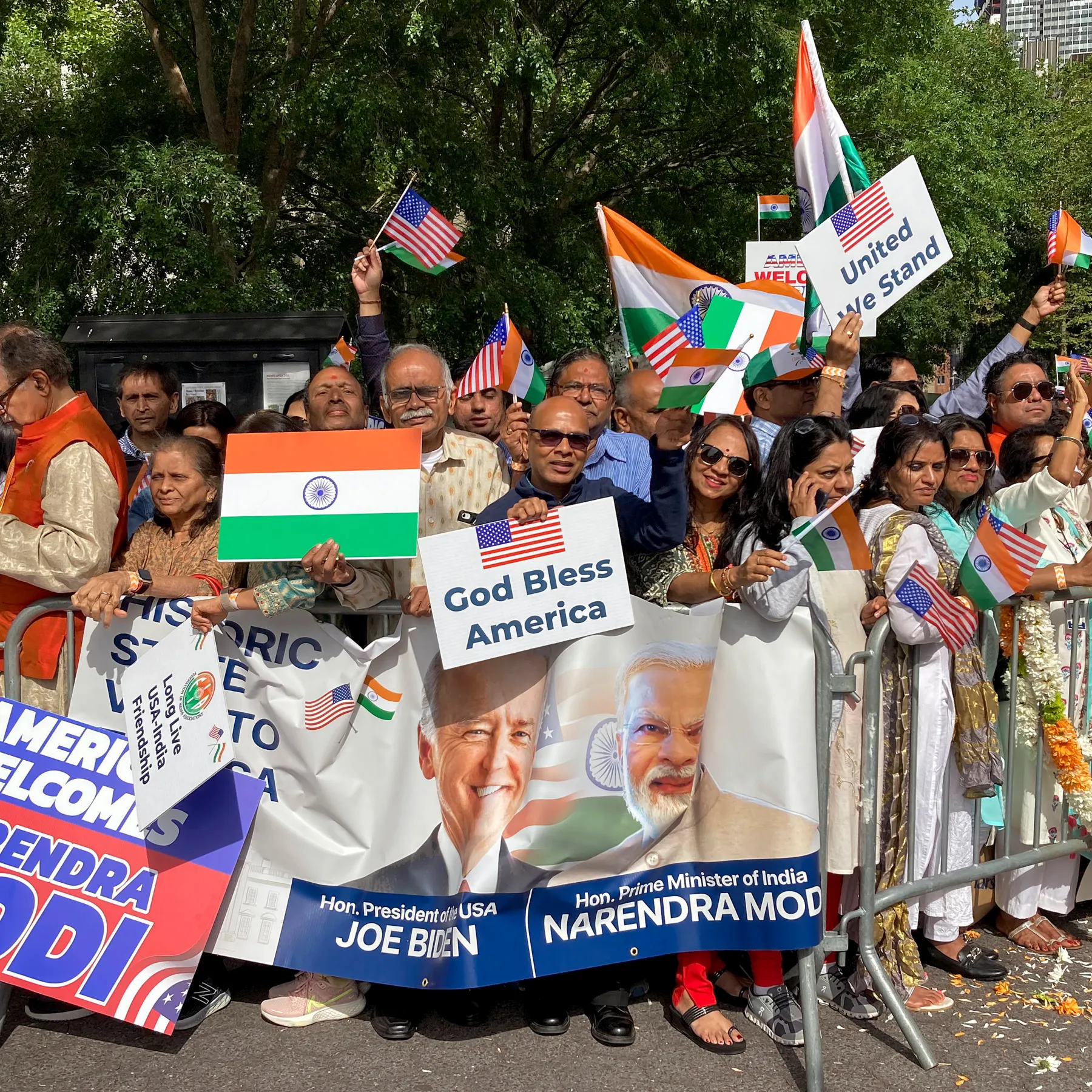
The $100,000 fee, introduced in 2024, applies to new H-1B petitions filed by companies with at least 25% of their workforce on H-1B visas, a category that includes many Indian American tech professionals. The fee, along with heightened scrutiny of applications and bans on third-country visa processing, has created a climate of uncertainty for a community that has long seen the H-1B as a pathway to the American dream.
The impact is measurable: a survey conducted last year found that 40% of Indian Americans are considering leaving the United States. Among those, many cite the visa backlog for green cards, which can stretch for decades for Indian nationals, as a primary driver. The backlog, combined with the new fee and stricter rules, has made long-term planning nearly impossible for families who have built careers and lives in the U.S.
The restrictions have also affected the broader economy. Indian Americans lead or found a disproportionate number of startups and hold senior positions in major tech firms, and their departure could reshape the innovation landscape. Some have already relocated to Canada, the United Kingdom, or India, where immigration policies are more welcoming.
Community organizations have lobbied for comprehensive immigration reform, but legislative efforts have stalled. In the absence of federal action, some states have introduced their own measures to attract and retain skilled immigrants, though these efforts remain limited in scope.
For many, the decision to stay or leave is deeply personal. Families weigh career opportunities against the security of a permanent status, and the emotional toll is evident in community forums and support groups. As one tech worker put it, 'We came here to build a future, but now we're not sure if that future is here.'
Highlighted words show why each story was matched
NRI Herald • August 28, 2026
NRI Herald • August 18, 2026
NRI Herald • August 28, 2026
NRI Herald • August 24, 2026