Trump Imposes 10% to 12.5% Tariffs on 60 Nations Over Forced Labor Concerns
Politics desk
NRI Herald • July 21, 2026
3 min read
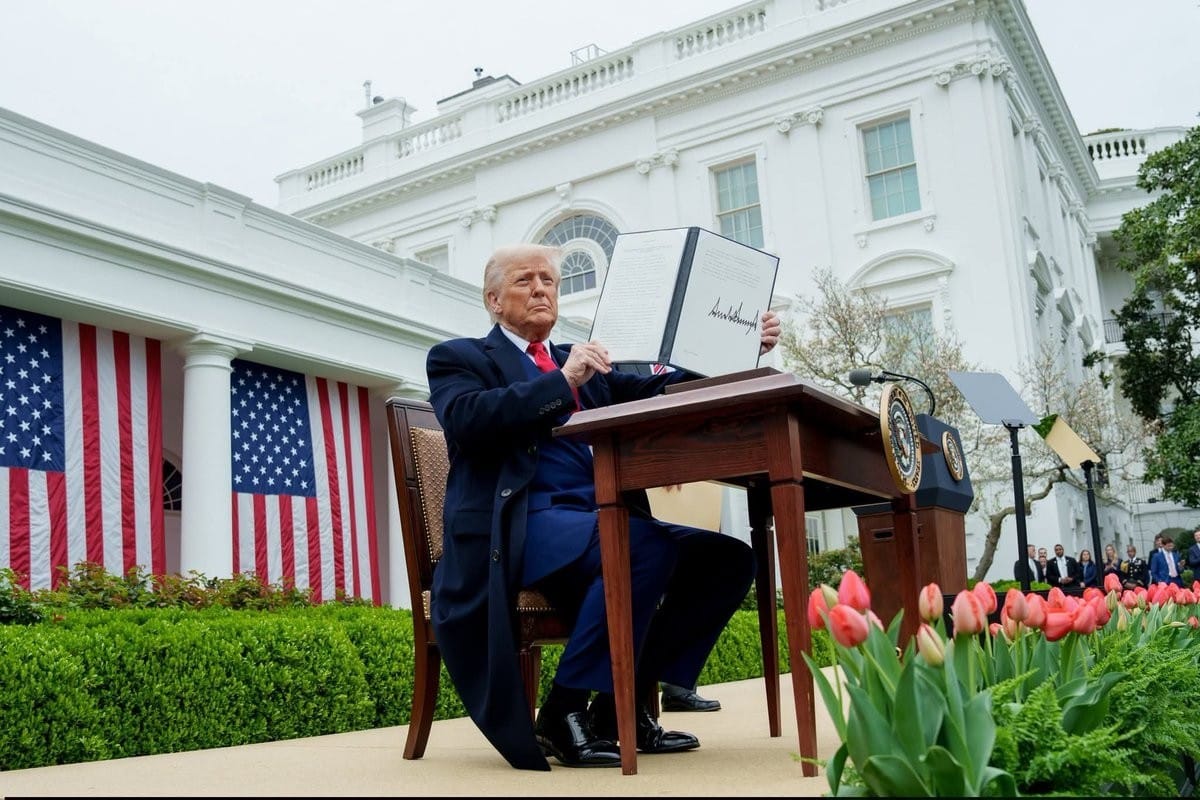
The tariffs, ranging from 10% to 12.5%, will apply to goods from countries including China, India, and Vietnam, according to administration officials. The measures are set to take effect by the end of the week, replacing the across-the-board 10% duties that are due to expire.
The new duties are based on findings from the Department of Labor's list of goods produced by forced labor, which includes items such as textiles, electronics, and agricultural products. Administration officials said the higher rate on certain nations reflects the severity of the alleged violations.
The move has drawn mixed reactions from industry groups. Some manufacturers have welcomed the crackdown on forced labor, while others warn of supply chain disruptions and higher costs for consumers. Trade experts note that the tariffs could escalate tensions with key trading partners and may face legal challenges at the World Trade Organization.
The White House has framed the tariffs as a human rights measure, but critics argue they are a protectionist tool that could harm global trade. The administration has not specified which countries will face the higher 12.5% rate, but officials indicated the list is based on the prevalence of forced labor in specific sectors.
Other politics coverage
NRI Herald • August 18, 2026
NRI Herald • August 20, 2026
NRI Herald • August 20, 2026
NRI Herald • August 13, 2026