OpenAI Unveils GPT-5.6 With Sol, Terra, Luna Variants
Tech desk
NRI Herald • July 8, 2026
3 min read
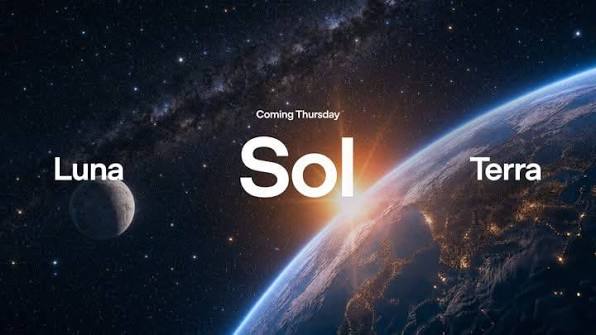
The new naming scheme replaces the previous single-model approach, allowing developers and businesses to select a version based on their specific requirements. Sol is positioned as the most advanced tier, designed for complex reasoning tasks that demand high accuracy. Terra targets everyday applications, offering a balance between capability and efficiency, while Luna serves as a lightweight option for cost-sensitive projects with simpler workloads.
According to OpenAI, the tiered structure aims to provide clearer choices for users who previously had to evaluate trade-offs between model size and performance. The company stated that each variant shares the same underlying architecture but is optimized differently, with Sol prioritizing depth of reasoning, Terra focusing on responsiveness, and Luna emphasizing speed and affordability.
The announcement did not include specific benchmark numbers or pricing details, but OpenAI indicated that Luna would be significantly cheaper to run than the other two variants. Developers can expect API access to all three models, with documentation and migration guides available on the company's website.
Industry analysts see the move as a response to growing demand for specialized AI tools that fit varied budgets and use cases. The tiered naming also aligns with a broader trend among AI providers to offer more granular product lines rather than a one-size-fits-all model.
Other tech coverage
NRI Herald • August 29, 2026

NRI Herald • August 25, 2026

NRI Herald • August 18, 2026

NRI Herald • August 20, 2026