News
Diaspora Inflows of $40.8B Help Stabilize Indian Rupee
News desk
NRI Herald • August 5, 2026
3 min read
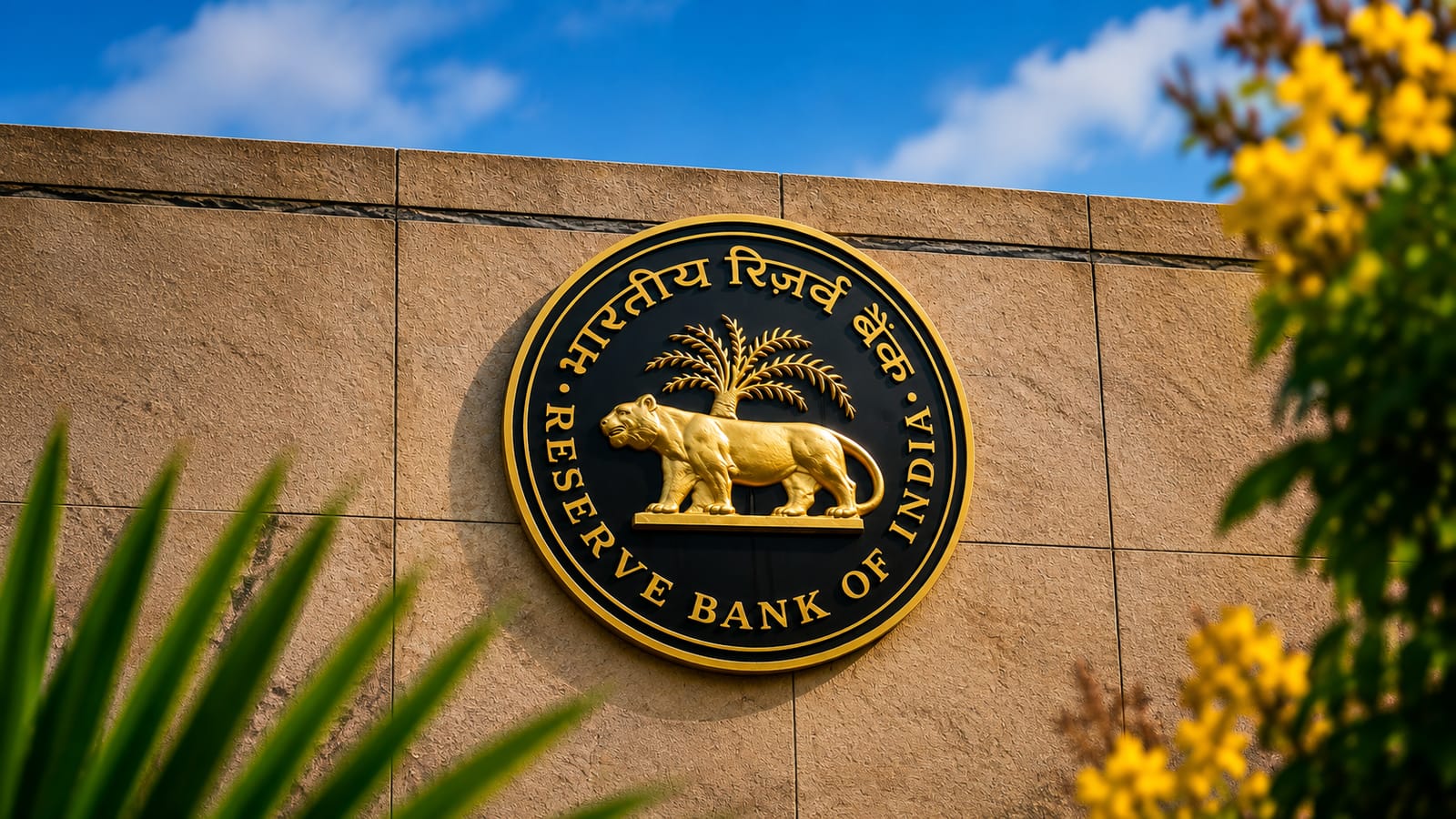
The Reserve Bank of India's special foreign exchange swap facility, launched in June, drew $40.8 billion from the global Indian diaspora within eight weeks, according to the central bank. The facility allowed banks to offer attractive swap rates to non-resident Indians (NRIs) on foreign currency deposits, incentivizing them to convert funds into rupees.
The inflows helped stabilize the Indian rupee, which had been under pressure from a widening current account deficit and global monetary tightening. The RBI's move was part of a broader strategy to bolster foreign exchange reserves and curb volatility in the currency market.
The swap facility, which closed in July, was one of several measures the RBI deployed to manage external sector challenges. The central bank also intervened in the forex market and adjusted interest rates to support the rupee.
The success of the swap scheme underscores the continued financial engagement of the Indian diaspora, which has historically been a key source of remittances and capital for India. The RBI's ability to mobilize such funds quickly highlights the trust and responsiveness of NRIs to policy incentives.
Analysts noted that the inflows provided temporary relief but emphasized the need for sustained economic reforms to address underlying vulnerabilities. The rupee's stability remains contingent on global oil prices, capital flows, and domestic growth prospects.
Highlighted words show why each story was matched
NRI Herald • August 24, 2026

NRI Herald • August 24, 2026

NRI Herald • August 23, 2026

NRI Herald • August 8, 2026