Nvidia CEO: Chinese Open-Source AI Models No Threat to US
Tech desk
NRI Herald • July 23, 2026
3 min read
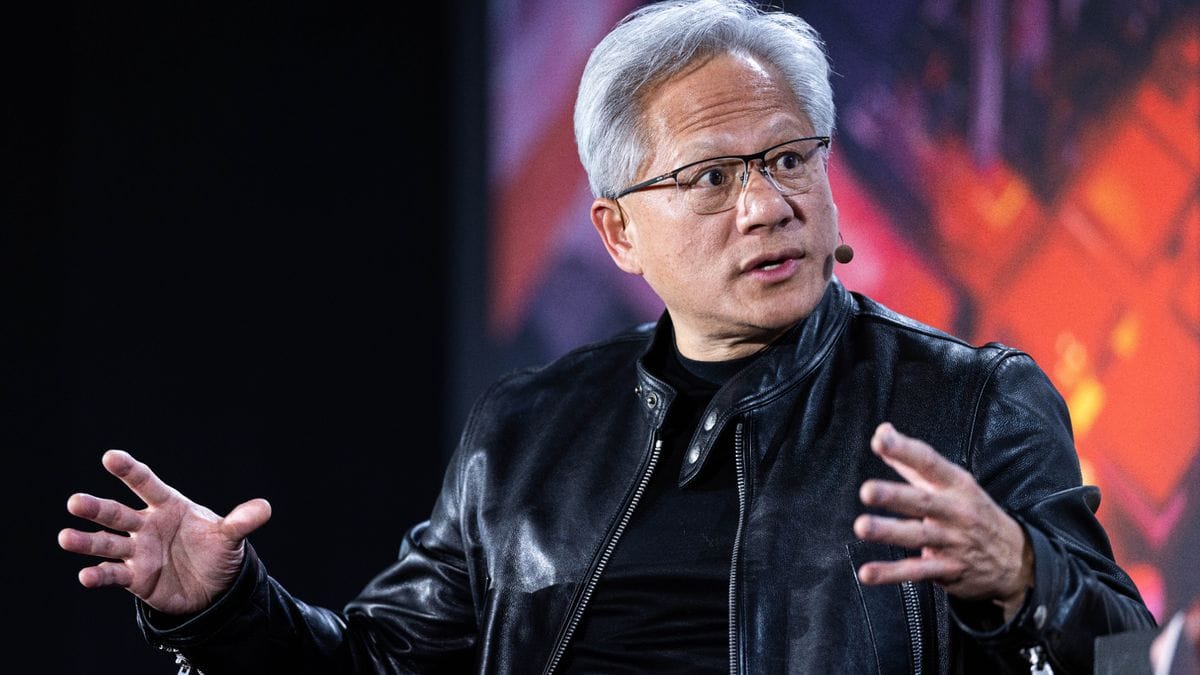
Speaking at a recent technology conference, Huang addressed concerns that China's rapidly advancing open-source AI models could undermine U.S. dominance in artificial intelligence. He dismissed these fears, asserting that such models actually benefit the global AI ecosystem by fostering innovation and collaboration.
Huang emphasized that open-source AI, regardless of its country of origin, accelerates progress and expands the market for AI applications. He argued that restricting access to these models would hinder U.S. companies, which rely on a diverse range of tools and frameworks to develop their own technologies.
The Nvidia chief also cautioned against a policy of isolation, suggesting that engagement with Chinese AI developments is more productive than confrontation. He noted that many U.S. firms already incorporate open-source elements into their products, and that a ban would disrupt supply chains and slow down research.
Huang's comments come amid growing bipartisan pressure in Washington to curb Chinese technological influence, particularly in sensitive sectors like semiconductors and AI. However, he maintained that the competitive landscape is more nuanced, and that the U.S. retains significant advantages in proprietary technology and talent.
His remarks reflect a broader debate within the tech industry over how to balance national security concerns with the benefits of global cooperation. While some lawmakers advocate for stricter export controls, Huang's stance suggests that a more open approach could preserve America's innovative edge.
Highlighted words show why each story was matched
NRI Herald • August 31, 2026

NRI Herald • August 29, 2026
NRI Herald • August 4, 2026

NRI Herald • August 25, 2026