EB-5 Visas: The Career Escape Hatch for Indian H-1B Professionals
Visa & Immigration desk
NRI Herald • July 21, 2026
3 min read
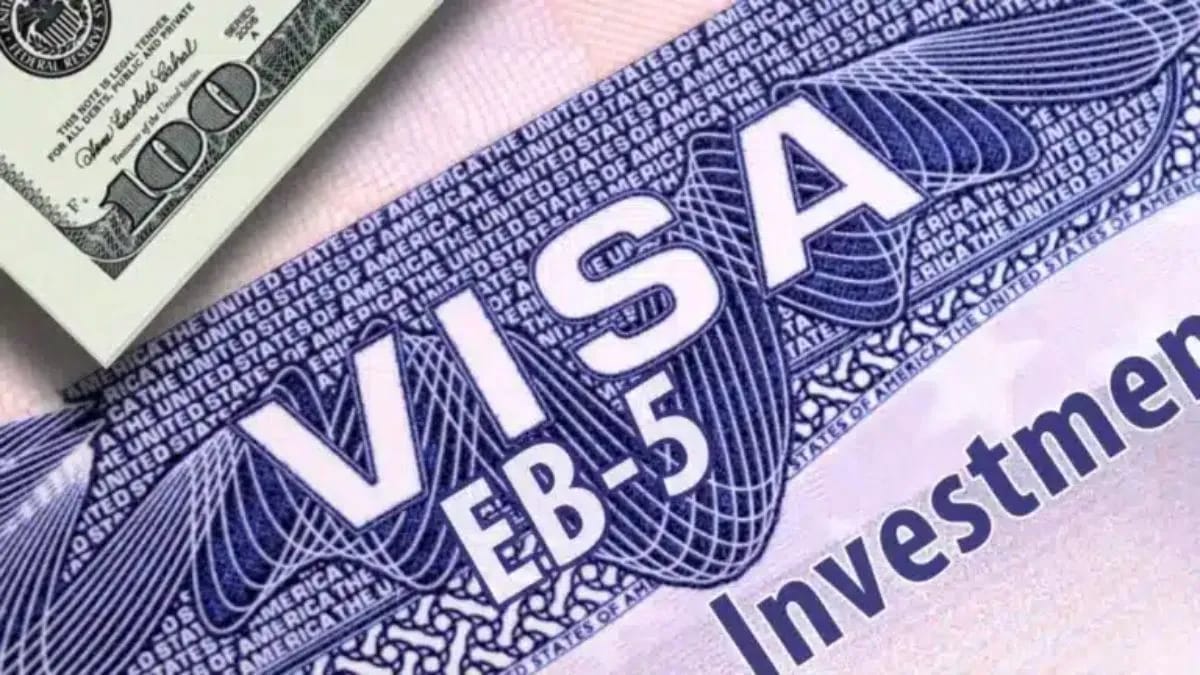
The EB-5 program, which requires a minimum $800,000 investment in a U.S. commercial enterprise, has become a practical alternative for Indian professionals facing employment-based green card waits that can exceed 50 years due to per-country caps.
Under the EB-5 Immigrant Investor Program, applicants can target investments in rural areas or regions with high unemployment, which are set aside each year. These set-asides are not subject to the same country-specific quotas, allowing Indian nationals to obtain permanent residency more quickly.
A key advantage is the ability to file for adjustment of status concurrently with the EB-5 petition, which grants work authorization and travel permission while the application is pending. This effectively removes the employer sponsorship requirement that ties H-1B holders to their jobs.
Once the EB-5 petition is approved, the investor and their immediate family receive conditional green cards, valid for two years. After that period, they must demonstrate that the investment created or preserved at least 10 full-time jobs for U.S. workers to have the conditions removed.
The program's popularity among Indian professionals has grown since the EB-5 Reform and Integrity Act of 2022, which introduced the set-aside categories and increased the minimum investment amount from $500,000 to $800,000 for targeted employment areas.
Highlighted words show why each story was matched

NRI Herald • August 29, 2026

NRI Herald • August 18, 2026

NRI Herald • August 23, 2026
NRI Herald • August 18, 2026