New US Bill Proposes 7-Year Green Card Path for Indian Immigrants
Visa & Immigration desk
NRI Herald • July 29, 2026
3 min read
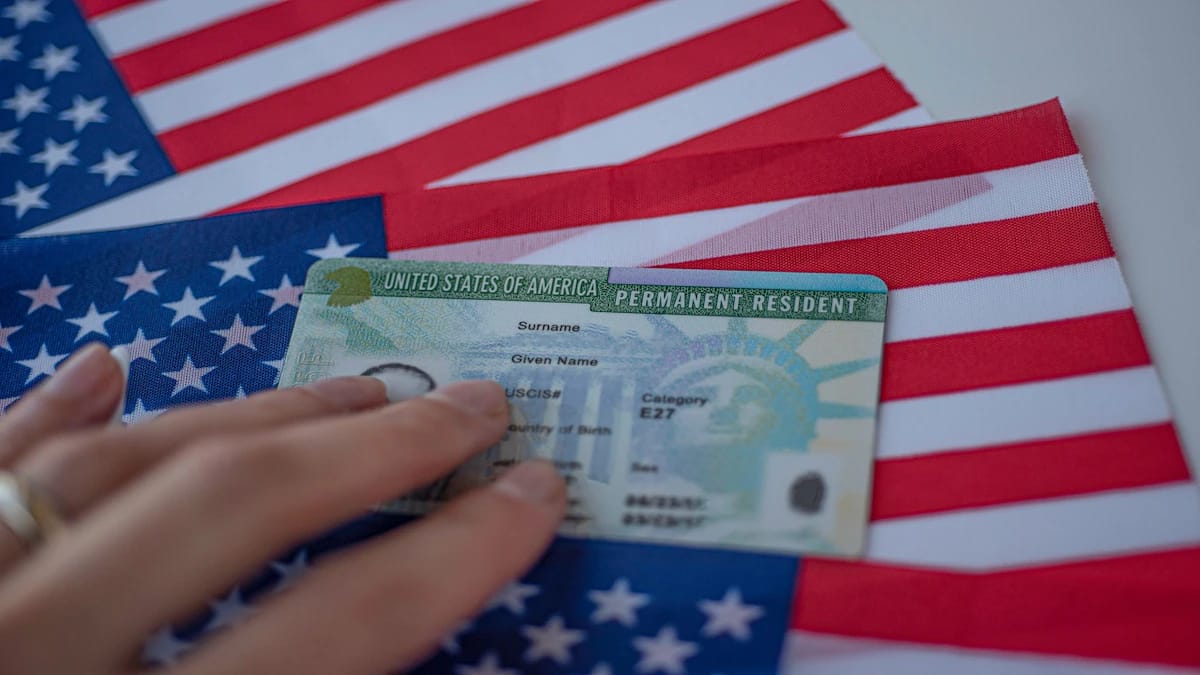
The Renewing Immigration Provisions of the Immigration Act of 1929, reintroduced in the House, would allow certain undocumented immigrants who have lived in the United States for at least seven years to apply for lawful permanent residence without first departing the country. The measure updates a 1929 law that previously offered similar relief but only to those who entered before 1972.
Under the proposal, applicants must demonstrate continuous physical presence since entry, pay a $1,000 fee, and pass background checks and interviews. The bill does not create a new visa category or increase overall green card numbers, but it shifts eligible individuals out of the existing backlog, which for Indian nationals in employment-based categories can stretch decades.
Supporters argue the change would reduce the strain on family unity and the labor market, as many long-term residents already work and pay taxes. The bill has been introduced in previous sessions without advancing, but its reintroduction comes amid renewed congressional attention to immigration reform and the growing Indian diaspora, which numbers over 4 million in the U.S.
Critics, however, have raised concerns about rewarding unlawful entry and the potential for the measure to incentivize future undocumented immigration. The bill's path forward remains uncertain, with committee hearings not yet scheduled, but its sponsors are seeking bipartisan cosponsors to build momentum.
If enacted, the provision would primarily benefit Indian nationals, who represent a significant share of the employment-based backlog, by allowing them to adjust status without the need to travel abroad and re-enter, a process that can trigger bars on reentry for those with unlawful presence.
Highlighted words show why each story was matched

NRI Herald • August 29, 2026

NRI Herald • August 23, 2026

NRI Herald • August 18, 2026

NRI Herald • August 31, 2026