Indian-American Teen Creates Pesticide-Removal Method for Produce
Community desk
NRI Herald • August 1, 2026
3 min read
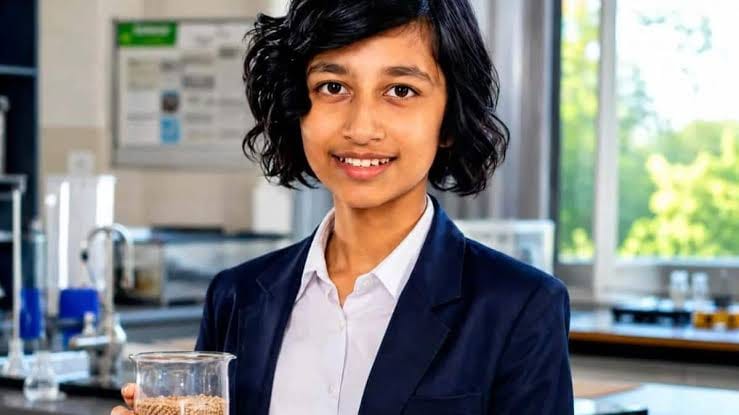
Arika Kundu, an eighth-grader from Minnesota, invented LIGNEX, a biosorption technique that converts peanut-shell waste into a natural material capable of trapping and removing pesticide residues from fresh produce.
The process involves chemically treating discarded peanut shells to create a porous material that binds to pesticide molecules on fruits and vegetables. This material can be used in a simple rinse or soak, effectively reducing chemical residues without altering the food's quality.
Kundu developed the method after learning about the health risks associated with pesticide exposure and the environmental impact of agricultural runoff. She sought a low-cost, sustainable solution that could be easily adopted in households and small farms.
LIGNEX has shown promising results in lab tests, removing a significant percentage of common pesticides from produce. Kundu hopes to refine the technology and make it widely available, particularly in regions where pesticide contamination is a major concern.
Her innovation has earned recognition in science fairs and competitions, highlighting the potential of young researchers to address global food safety challenges.
Other community coverage
'%2F%3E%3Cstop%20offset%3D'1'%20stop-color%3D'hsl(354%2C%2055%25%2C%2038%25)'%2F%3E%3C%2FlinearGradient%3E%3C%2Fdefs%3E%3Crect%20width%3D'800'%20height%3D'600'%20fill%3D'url(%23g)'%2F%3E%3Ctext%20x%3D'400'%20y%3D'300'%20text-anchor%3D'middle'%20font-family%3D'Georgia%2Cserif'%20font-size%3D'44'%20font-weight%3D'700'%20fill%3D'rgba(255%2C255%2C255%2C0.92)'%3ENRI%20Herald%3C%2Ftext%3E%3Ctext%20x%3D'400'%20y%3D'340'%20text-anchor%3D'middle'%20font-family%3D'Arial%2Csans-serif'%20font-size%3D'18'%20letter-spacing%3D'4'%20fill%3D'rgba(255%2C255%2C255%2C0.66)'%3ECOMMUNITY%3C%2Ftext%3E%3C%2Fsvg%3E)
NRI Herald • January 1, 2027
'%2F%3E%3Cstop%20offset%3D'1'%20stop-color%3D'hsl(234%2C%2055%25%2C%2038%25)'%2F%3E%3C%2FlinearGradient%3E%3C%2Fdefs%3E%3Crect%20width%3D'800'%20height%3D'600'%20fill%3D'url(%23g)'%2F%3E%3Ctext%20x%3D'400'%20y%3D'300'%20text-anchor%3D'middle'%20font-family%3D'Georgia%2Cserif'%20font-size%3D'44'%20font-weight%3D'700'%20fill%3D'rgba(255%2C255%2C255%2C0.92)'%3ENRI%20Herald%3C%2Ftext%3E%3Ctext%20x%3D'400'%20y%3D'340'%20text-anchor%3D'middle'%20font-family%3D'Arial%2Csans-serif'%20font-size%3D'18'%20letter-spacing%3D'4'%20fill%3D'rgba(255%2C255%2C255%2C0.66)'%3ECOMMUNITY%3C%2Ftext%3E%3C%2Fsvg%3E)
NRI Herald • November 14, 2026
'%2F%3E%3Cstop%20offset%3D'1'%20stop-color%3D'hsl(341%2C%2055%25%2C%2038%25)'%2F%3E%3C%2FlinearGradient%3E%3C%2Fdefs%3E%3Crect%20width%3D'800'%20height%3D'600'%20fill%3D'url(%23g)'%2F%3E%3Ctext%20x%3D'400'%20y%3D'300'%20text-anchor%3D'middle'%20font-family%3D'Georgia%2Cserif'%20font-size%3D'44'%20font-weight%3D'700'%20fill%3D'rgba(255%2C255%2C255%2C0.92)'%3ENRI%20Herald%3C%2Ftext%3E%3Ctext%20x%3D'400'%20y%3D'340'%20text-anchor%3D'middle'%20font-family%3D'Arial%2Csans-serif'%20font-size%3D'18'%20letter-spacing%3D'4'%20fill%3D'rgba(255%2C255%2C255%2C0.66)'%3ECOMMUNITY%3C%2Ftext%3E%3C%2Fsvg%3E)
NRI Herald • November 14, 2026
'%2F%3E%3Cstop%20offset%3D'1'%20stop-color%3D'hsl(120%2C%2055%25%2C%2038%25)'%2F%3E%3C%2FlinearGradient%3E%3C%2Fdefs%3E%3Crect%20width%3D'800'%20height%3D'600'%20fill%3D'url(%23g)'%2F%3E%3Ctext%20x%3D'400'%20y%3D'300'%20text-anchor%3D'middle'%20font-family%3D'Georgia%2Cserif'%20font-size%3D'44'%20font-weight%3D'700'%20fill%3D'rgba(255%2C255%2C255%2C0.92)'%3ENRI%20Herald%3C%2Ftext%3E%3Ctext%20x%3D'400'%20y%3D'340'%20text-anchor%3D'middle'%20font-family%3D'Arial%2Csans-serif'%20font-size%3D'18'%20letter-spacing%3D'4'%20fill%3D'rgba(255%2C255%2C255%2C0.66)'%3ECOMMUNITY%3C%2Ftext%3E%3C%2Fsvg%3E)
NRI Herald • October 20, 2026