Sunita Chandrasekaran to Lead Team Preparing America’s Next-Gen 2029 Supercomputer 'Discovery'
Community desk
NRI Herald • July 10, 2026
3 min read
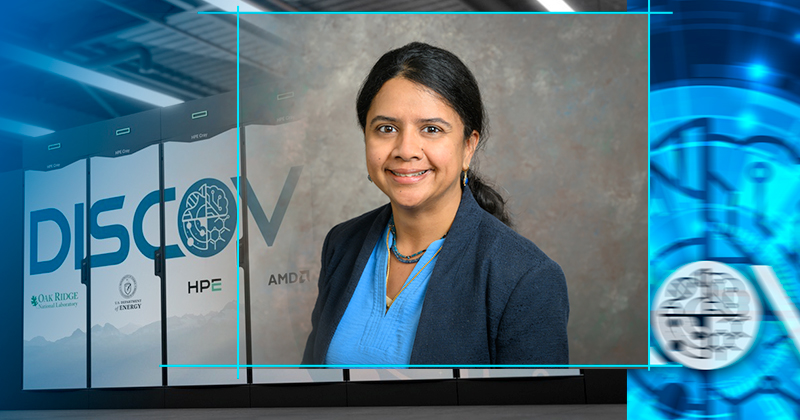
Chandrasekaran, an associate professor of computer and information sciences at the University of Delaware, will coordinate efforts to evaluate the system's performance and ensure its software stack is ready for scientific workloads. The team will work with the Department of Energy's Oak Ridge National Laboratory in Tennessee, where Discovery will be housed.
Discovery is expected to be one of the fastest supercomputers in the world, designed to handle complex simulations and AI-driven research in fields such as climate modeling, materials science, and energy. The pre-launch testing phase will involve running benchmark applications and troubleshooting potential bottlenecks in the system's architecture.
Chandrasekaran's research focuses on high-performance computing, parallel programming models, and AI applications. She has previously contributed to several national computing initiatives, including the Exascale Computing Project, which delivered the Frontier supercomputer at Oak Ridge in 2022.
The University of Delaware team will also collaborate with other academic and national laboratory partners to refine Discovery's software ecosystem. The goal is to have the system fully operational for researchers by the time it comes online in 2029.
'%2F%3E%3Cstop%20offset%3D'1'%20stop-color%3D'hsl(354%2C%2055%25%2C%2038%25)'%2F%3E%3C%2FlinearGradient%3E%3C%2Fdefs%3E%3Crect%20width%3D'800'%20height%3D'600'%20fill%3D'url(%23g)'%2F%3E%3Ctext%20x%3D'400'%20y%3D'300'%20text-anchor%3D'middle'%20font-family%3D'Georgia%2Cserif'%20font-size%3D'44'%20font-weight%3D'700'%20fill%3D'rgba(255%2C255%2C255%2C0.92)'%3ENRI%20Herald%3C%2Ftext%3E%3Ctext%20x%3D'400'%20y%3D'340'%20text-anchor%3D'middle'%20font-family%3D'Arial%2Csans-serif'%20font-size%3D'18'%20letter-spacing%3D'4'%20fill%3D'rgba(255%2C255%2C255%2C0.66)'%3ECOMMUNITY%3C%2Ftext%3E%3C%2Fsvg%3E)
'%2F%3E%3Cstop%20offset%3D'1'%20stop-color%3D'hsl(234%2C%2055%25%2C%2038%25)'%2F%3E%3C%2FlinearGradient%3E%3C%2Fdefs%3E%3Crect%20width%3D'800'%20height%3D'600'%20fill%3D'url(%23g)'%2F%3E%3Ctext%20x%3D'400'%20y%3D'300'%20text-anchor%3D'middle'%20font-family%3D'Georgia%2Cserif'%20font-size%3D'44'%20font-weight%3D'700'%20fill%3D'rgba(255%2C255%2C255%2C0.92)'%3ENRI%20Herald%3C%2Ftext%3E%3Ctext%20x%3D'400'%20y%3D'340'%20text-anchor%3D'middle'%20font-family%3D'Arial%2Csans-serif'%20font-size%3D'18'%20letter-spacing%3D'4'%20fill%3D'rgba(255%2C255%2C255%2C0.66)'%3ECOMMUNITY%3C%2Ftext%3E%3C%2Fsvg%3E)
'%2F%3E%3Cstop%20offset%3D'1'%20stop-color%3D'hsl(341%2C%2055%25%2C%2038%25)'%2F%3E%3C%2FlinearGradient%3E%3C%2Fdefs%3E%3Crect%20width%3D'800'%20height%3D'600'%20fill%3D'url(%23g)'%2F%3E%3Ctext%20x%3D'400'%20y%3D'300'%20text-anchor%3D'middle'%20font-family%3D'Georgia%2Cserif'%20font-size%3D'44'%20font-weight%3D'700'%20fill%3D'rgba(255%2C255%2C255%2C0.92)'%3ENRI%20Herald%3C%2Ftext%3E%3Ctext%20x%3D'400'%20y%3D'340'%20text-anchor%3D'middle'%20font-family%3D'Arial%2Csans-serif'%20font-size%3D'18'%20letter-spacing%3D'4'%20fill%3D'rgba(255%2C255%2C255%2C0.66)'%3ECOMMUNITY%3C%2Ftext%3E%3C%2Fsvg%3E)
'%2F%3E%3Cstop%20offset%3D'1'%20stop-color%3D'hsl(120%2C%2055%25%2C%2038%25)'%2F%3E%3C%2FlinearGradient%3E%3C%2Fdefs%3E%3Crect%20width%3D'800'%20height%3D'600'%20fill%3D'url(%23g)'%2F%3E%3Ctext%20x%3D'400'%20y%3D'300'%20text-anchor%3D'middle'%20font-family%3D'Georgia%2Cserif'%20font-size%3D'44'%20font-weight%3D'700'%20fill%3D'rgba(255%2C255%2C255%2C0.92)'%3ENRI%20Herald%3C%2Ftext%3E%3Ctext%20x%3D'400'%20y%3D'340'%20text-anchor%3D'middle'%20font-family%3D'Arial%2Csans-serif'%20font-size%3D'18'%20letter-spacing%3D'4'%20fill%3D'rgba(255%2C255%2C255%2C0.66)'%3ECOMMUNITY%3C%2Ftext%3E%3C%2Fsvg%3E)